

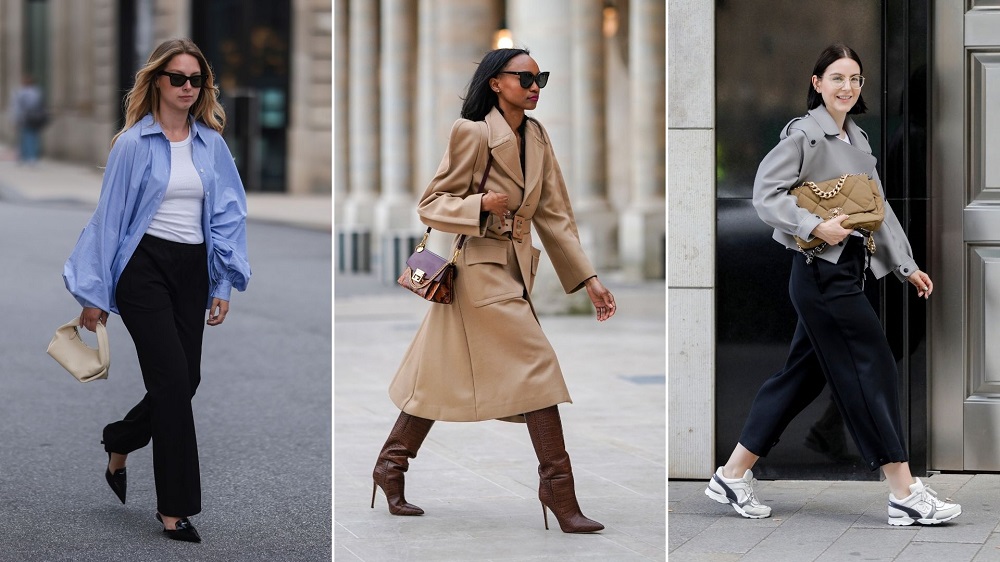
Great style is rarely about owning a massive wardrobe filled with trendy designer labels. More often, it comes down to understanding how to combine basic, versatile garments into polished, cohesive outfits. Mastering everyday fashion requires learning a few fundamental styling principles that turn ordinary clothes into deliberate, well-proportioned looks.
By shifting focus from fast fashion trends to timeless proportions, color harmony, and fit, anyone can elevate their daily wardrobe without spending excess time or money. Simple styling adjustments can transform a basic jeans-and-tee combination into a sharp, confident outfit suitable for almost any casual setting.
The Foundation of Everyday Style: Fit and Proportion
Before applying styling tricks, understanding how clothing fits your body is paramount. A perfectly fitted outfit made of modest materials will always look better than an ill-fitting designer piece. Fit is not simply about sizing; it is about how a garment drapes, where seam lines land, and how proportions balance across your silhouette.
Understanding Proportions and the Rule of Thirds
A common mistake in everyday dressing is dividing the body visually into equal halves, such as wearing an oversized top over loose, untucked trousers. This creates a boxy, unstructured look. Applying the rule of thirds creates a more dynamic and visually appealing silhouette.
-
High-Waisted Styling: Tucking a top into mid or high-rise pants visually elongates the legs, creating a balanced one-third top to two-thirds bottom ratio.
-
Cropped or Fitted Hemlines: Wearing sweaters or jackets that end right at the natural waistline prevents the torso from appearing unnaturally long.
-
Volume Balancing: Pair loose or oversized garments with fitted ones. For example, balance wide-leg trousers with a fitted ribbed top, or layer an oversized relaxed blazer over straight-leg denim.
Tailoring as a Style Multiplier
Off-the-rack clothing is designed to fit a generic average body type, meaning most garments will not fit perfectly without minor adjustments. Investing in simple tailoring transforms inexpensive clothes into tailored pieces that look custom-made.
Common low-cost tailoring adjustments include hemming pant legs to eliminate excess fabric pooling at the ankles, taking in the waist of trousers, shortening sleeve lengths to show wrist detail, and slimming relaxed button-down shirts across the chest.
Core Styling Techniques to Elevate Daily Outfits
Once basic fit is established, applying intentional styling adjustments adds structure, depth, and personality to basic wardrobe essentials.
1. The Art of the Tuck
How a top meets a pair of pants or a skirt fundamentally changes the mood of an outfit. Leaving every top untucked often looks sloppy, while a stiff full tuck can sometimes feel overly formal.
-
The Front Tuck or French Tuck: Tuck only the center-front portion of a shirt or sweater into the front waistband, letting the sides and back drape naturally. This defines the waistline while maintaining a relaxed aesthetic.
-
The Full Tuck: Tuck a button-down, turtleneck, or fitted tee fully into high-waisted bottoms and secure with a belt. This creates a clean, classic, preppy silhouette.
-
The Knot or Side Tie: For relaxed graphic tees or lightweight button-downs, tying a small knot at the hemline shortens the garment length and adds texture without cutting fabric.
2. Cuffing, Rolling, and Exposing Anchors
Small physical adjustments to sleeves and trouser hems instantly make an outfit look intentional rather than thrown together. Showing subtle skin at natural narrow points, such as wrists and ankles, breaks up heavy fabrics and adds visual lightness.
-
Sleeve Rolling: Instead of pulling long sleeves up to the elbows, fold a button-down sleeve back twice so the cuff sits near the mid-forearm. For jackets, push sleeves up toward the elbows to create natural fabric gathering.
-
Trouser Cuffing: A clean, double roll on straight-leg jeans exposes the ankle or highlights footwear, preventing denim from dragging on the ground.
-
Exposing Ankle and Collar Lines: Unbuttoning the top two buttons of a shirt or unzipping a collar creates a flattering V-shape that elongates the neck line.
3. Smart Layering for Dimension
Layering is one of the most effective ways to introduce texture, depth, and color contrast into everyday outfits. Rather than wearing a single heavy piece, combining light-to-medium weight layers creates functional versatility.
-
The Base Layer: Start with a simple, breathable piece such as a crisp white crew-neck tee, a fitted tank top, or a fitted turtleneck.
-
The Structural Layer: Add a structured mid-layer like an open cardigan, a denim jacket, an overshirt, or a tailored utility vest.
-
The Outer Shell: Top the outfit with a long trench coat, wool overcoat, or leather jacket depending on the weather.
-
Varying Textures: Mix different fabric surfaces within the same outfit, such as pairing smooth leather with chunky knits, crisp cotton denim with soft suede, or silk with heavy wool.
Mastering Color Harmony and Monochromatic Looks
Color choices strongly influence how an outfit is perceived. While bold color blocking can be stylish, mastering neutral tones and monochromatic combinations guarantees effortless sophistication.
Building a Versatile Neutral Palette
A base wardrobe centered around high-quality neutral colors makes mixing and matching effortless. Core neutral colors include navy, camel, charcoal grey, olive green, cream, white, black, and indigo denim.
When building an outfit around neutrals, aim to mix two or three shades within the same outfit. For example, pairing a cream knitted sweater with dark navy trousers and rich brown leather boots produces a timeless, sophisticated look without relying on bright patterns.
Monochromatic Dressing
Dressing in varying shades of a single color family creates a sleek, elevated look. A monochromatic outfit makes a person appear taller and leaner by creating an uninterrupted vertical visual line.
To execute a monochromatic look successfully without looking flat, combine different textures and tonal shades of the chosen color. An outfit featuring an off-white wool sweater, cream cotton trousers, and tan leather shoes feels rich and multidimensional, despite sticking to a single color spectrum.
Essential Accessories to Complete the Look
Accessories serve as the finishing touches that convert individual clothing items into a complete, intentional outfit. The key to everyday accessory styling is moderation and consistency.
-
Belts: A quality leather belt in black, tan, or dark brown anchors tucked-in tops, defines the waistline, and adds a focal point to simple denim or trousers. Match belt leather tones with shoe colors for a cohesive look.
-
Footwear: Shoes set the tone for an entire outfit. Swapping running sneakers for clean white leather low-tops, loafers, or ankle boots elevates a simple jeans-and-tee combination instantly.
-
Minimalist Jewelry: Subtle jewelry pieces such as a simple wrist watch, delicate gold or silver hoop earrings, a fine chain necklace, or a classic signet ring add polished detail without cluttering the look.
-
Bags and Outerwear: A structured leather tote, canvas crossbody, or tailored coat serves as a functional extension of the outfit rather than an afterthought.
Frequently Asked Questions
What is the sandwich method in fashion styling?
The sandwich method is a simple visual formula used to create balanced, cohesive outfits. It involves balancing the top and bottom elements of an outfit by matching their colors, proportions, or textures, with a contrasting middle section in between. For example, pairing a black sweater with light-wash blue jeans and black leather boots creates a balanced look where the top and bottom elements mirror each other naturally.
How can someone transition an everyday casual outfit into an evening look quickly?
Transitioning a casual daytime look for evening events requires swapping out a few key structural elements and accessories. Replace daytime footwear like casual sneakers with sleek boots or heels, trade a casual denim jacket for a structured blazer, swap a large tote bag for a small clutch or crossbody, and add bolder jewelry pieces like a statement ring or bold earrings.
What are the essential footwear styles needed for a functional everyday capsule wardrobe?
A highly functional everyday footwear collection requires four versatile styles: clean white leather low-top sneakers for casual daily wear, classic loafers or dress flats for smart-casual settings, versatile ankle or Chelsea boots for colder weather, and neutral leather sandals or light slides for warm-weather months. These four options cover nearly all casual and semi-formal social settings.
How can short individuals style clothing to appear taller without high heels?
Short individuals can create a taller visual silhouette by utilizing high-waisted trousers, opting for monochromatic outfits that maintain a continuous vertical color line, wearing tops with V-necklines, avoiding horizontal stripes, selecting pointed-toe or nude-toned shoes that extend the leg line, and ensuring pant hems are tailored properly to prevent fabric from pooling around the ankles.
Is it acceptable to mix silver and gold jewelry in a single outfit?
Yes, mixing silver and gold metals is a widely accepted modern styling practice. To mix metals successfully, choose one metal type as the primary foundation and use the second metal as a subtle accent, or wear a two-tone jewelry piece that combines both metals to tie the look together intentionally.
How do you choose the right belt width for different types of pants?
As a general styling rule, wide belts measuring one and a half inches or wider pair best with heavy casual fabrics like denim, cargo pants, and utility trousers. Thin or medium belts measuring one inch or narrower pair best with formal dress pants, tailored trousers, lightweight chinos, and high-waisted skirts.
What is the most effective way to care for everyday clothing so it stays looking new?
To preserve fabric quality and prevent clothing from fading or shrinking, wash garments inside out in cold water using gentle detergents, avoid over-drying by hanging clothes to air dry whenever possible, use padded or wooden hangers for structured jackets and coats, fold heavy knit sweaters to prevent shoulder stretching, and iron or steam garments before wearing to eliminate wrinkles.