

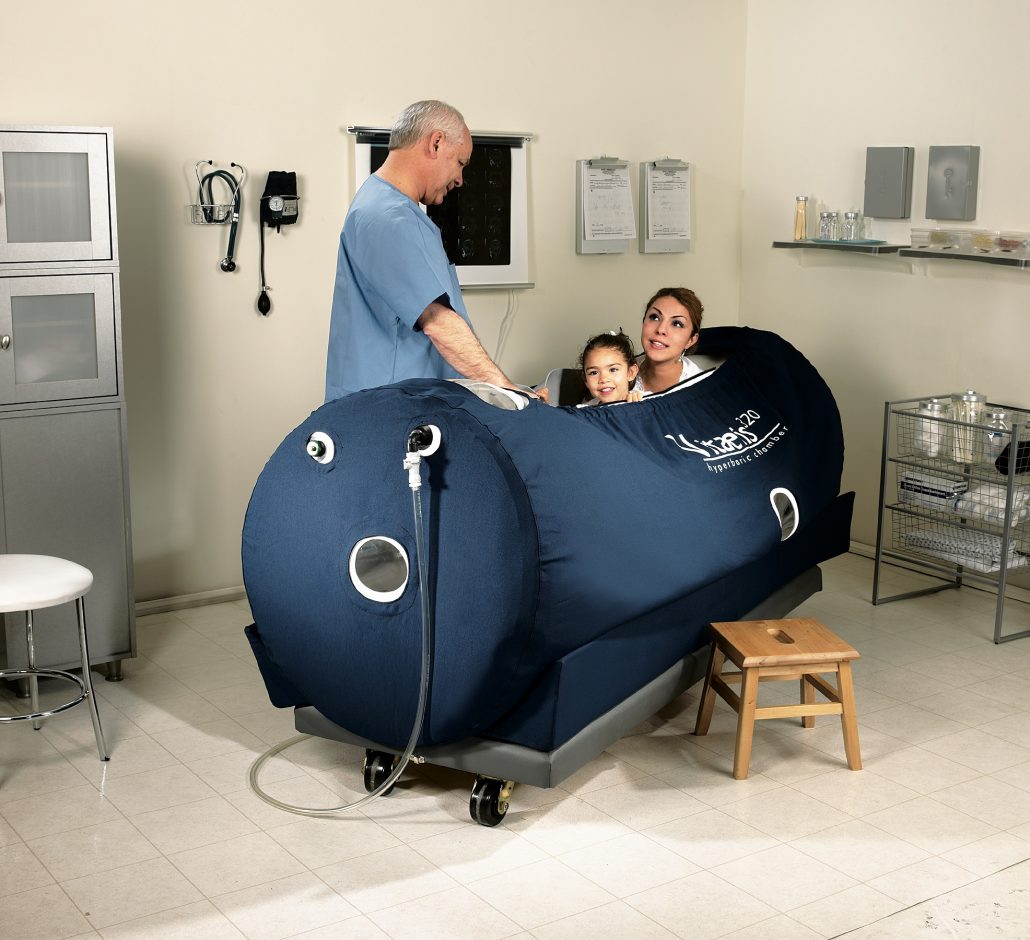
There is something almost old-fashioned about the idea. You lie down in a sealed chamber, the air pressure rises a little, and you breathe oxygen through a mask. No pills. No needles. Just the air you already depend on, delivered with a bit more push behind it.
That simplicity is exactly why it pays to slow down before you book. If you are curious about trying hyperbaric oxygen treatment, the most useful question is not whether it works. It is what kind of session you are booking, and what you want from it. Get those two answers clear and most of the confusion falls away.
Two Very Different Kinds of Chamber
Hyperbaric medicine is real and serious. Hospitals use pressurised chambers to treat divers with decompression sickness, and the Undersea and Hyperbaric Medical Society keeps a list of conditions where the evidence supports this kind of care. Those sessions are prescribed by doctors and usually run at higher pressures.
Wellness sessions sit somewhere else. They tend to use milder pressure and are offered for recovery, energy and skin. That is not a lesser thing, but it is a different thing. When a provider tells you the pressure they use and says plainly that a session is not medical treatment, take it as a good sign. When the line gets blurry, ask.
Ask About Pressure Before Price
Most people compare chambers the way they compare gym memberships, by price per visit. That is the wrong place to start. Pressure is measured in atmospheres absolute, or ATA. The air around you at sea level is 1 ATA.
The number matters because it shapes what you will feel and what you can sensibly expect. A good provider will tell you their figure without any fuss. If nobody can tell you the pressure, you have learned something more useful than the price.
The Cold You Forgot About
Here is the mistake people make most often, and it is a small one. They book a session, then turn up with a blocked nose. As the pressure rises, your ears need to equalise, much as they do when a plane comes in to land. A stuffy nose makes that harder and can turn a calm hour into an uncomfortable one.
The fix is simple. If you have a cold, a sinus flare or an ear problem, move your booking. Tell the staff about your health too, especially if you are pregnant, have a history of seizures, or have an implanted device such as a pacemaker. A careful provider will ask about these things anyway, and that question is worth more than any brochure.
What to Bring and What to Expect
A session asks very little of you. A few small habits make it easier:
- Eat a light meal beforehand rather than a heavy one
- Wear loose, comfortable clothes
- Skip perfume, oils and heavy lotions on the day
- Practise swallowing or yawning to clear your ears
Once the door closes, you will likely feel a fullness in your ears as the pressure builds. After that, very little happens, which is rather the point. Most people read, rest or simply doze off.
A Simple Way to Judge Results
Wellness is hard to measure, which makes it easy to fool yourself in either direction. One session feels pleasant, so you assume it worked. Or you feel nothing dramatic, so you assume it did not.
Try a plain rule instead. Before you start, pick one thing you want to change and can actually track. It might be how rested you feel on waking, scored from 1 to 10, or how sore your legs are two days after a long run. Note it down every day for a week before your first session.
Then book a short run of sessions, say four, and keep the same notes. Compare the two weeks side by side. If the numbers move, you have your answer. If they do not, you have saved yourself the cost of a long course.
When to Step Back
Be wary of any chamber sold as a cure for a serious illness outside a hospital. Wellness sessions can be a pleasant part of looking after yourself, but they are not a substitute for medical care. If your doctor has concerns, listen to them first.
The same goes for pressure to commit. A good provider is happy to let you try a single session and decide in your own time.
The chamber itself is simple. Air, pressure, time. What makes the difference is the thinking you do before you climb in: knowing which kind of session you are booking, arriving with clear ears, and having a fair way to judge the results. Do that, and whatever you decide, you will have decided it well. Then lie back and enjoy the quiet.