

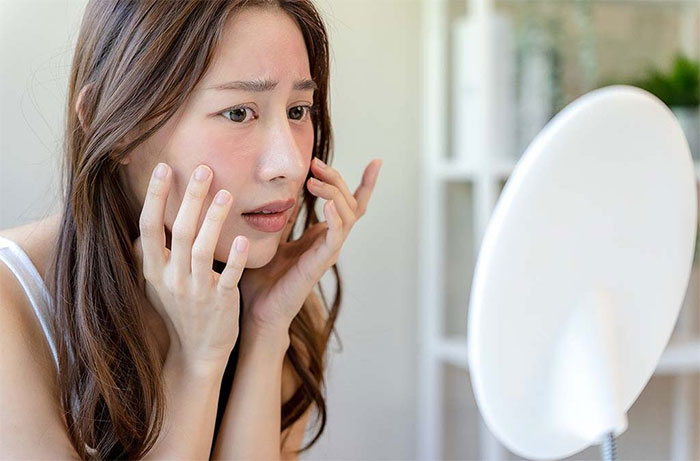
Singapore’s heat does something odd to skin. It sweats, it flares, and it holds onto every mark like a grudge. A mosquito bite from June can still leave a faint shadow by September. If you have ever wondered why an old acne scar refuses to fade despite a full year of vitamin C serum, the weather is not entirely innocent.
Pigmentation and old acne scarring behave differently in humid heat than they do in a drier climate, and a lot of skincare advice online is written for someone shivering in Chicago. That mismatch is a big part of why so many people here end up frustrated with slow progress. It is also why so many dermatology clinics now offer laser treatment in Singapore and residents can book for stubborn marks that a jar of cream will never quite shift.
Your Skin Keeps a Diary
Skin has a memory, and not a discreet one. Every scrape, popped spot or sunburn gets logged as an event, and in melanin rich skin, the body’s response to that event is to dump extra pigment right on the scene, like a warning flag planted in the ground. That is post inflammatory hyperpigmentation, and it is the main reason old marks in Singapore linger far longer than they would somewhere cooler and drier. Heat and humidity keep the skin in a slightly inflamed state to begin with, and constant sun exposure re-triggers the same spot again and again.
The mark itself is rarely the problem people think it is. What actually happens is that the sun keeps refreshing the memory before it has a chance to fade. A dark patch that seems immovable is often just a patch that never got a real break from UV long enough to heal on its own terms.
The Trade Off Nobody Mentions
There is a quiet assumption that the strongest treatment gets the fastest result. In Singapore’s climate, that assumption backfires more often than it works. A more intense resurfacing session leaves skin raw and reactive for days, exactly the state in which heat and UV are most likely to trigger a fresh round of pigmentation, sometimes worse than the mark it was meant to fix.
The better trade off is usually a series of gentler sessions, spaced out, with strict sun avoidance in between. It takes longer to see the result, but the result tends to actually stay. Ask any clinic honest enough to say so, and they will tell you that patience beats intensity here almost every time.
Let the Depth Decide the Tool
Before booking anything, there is a simple test. Close your eyes and run a finger over the mark. If it is perfectly flat, colour is the only issue, and that usually means the pigment sits in the skin’s top layer. Surface pigmentation like this often responds well to peels or light based treatments.
If the finger catches on a dip or a ridge, the damage runs deeper, into the layer where collagen lives, and that is a different repair job entirely. Genuine acne scarring, the kind with real texture, usually needs something that can reach that depth, which is why a texture problem rarely gets solved by a product marketed for tone alone.
The Mistake That Costs a Whole Season
The single most common, and most expensive, mistake is timing. Booking a resurfacing treatment right before a beach trip, an outdoor wedding, or a stretch of exam season spent walking to and from school in the midday sun sets skin up to fail. Freshly treated skin is far more sensitive to UV, and a rebound of pigmentation after unprotected sun exposure can leave a mark darker than the one being treated in the first place. A few weeks of buffer, ideally through the least sunny stretch on the calendar, makes the difference between a treatment that works and one that backfires.
Signs Worth a Second Look
Not every mark needs a clinic visit, but a few signs suggest home care alone will not cut it.
- It has stayed the same or darkened for more than six months, despite consistent sunscreen use
- It has texture you can feel, not just see, such as a dip, a ridge or pitting
- It reliably gets darker every time skin sees the sun, whatever cream sits underneath
Singapore skin is not broken, and it is not overly dramatic either. It is simply doing its job in a climate that keeps testing it. The way through is less about finding the single strongest option and more about matching the tool to how deep the mark actually sits, then giving the skin a genuine, sun-free stretch to recover. Get that order right, and the patience pays for itself.