

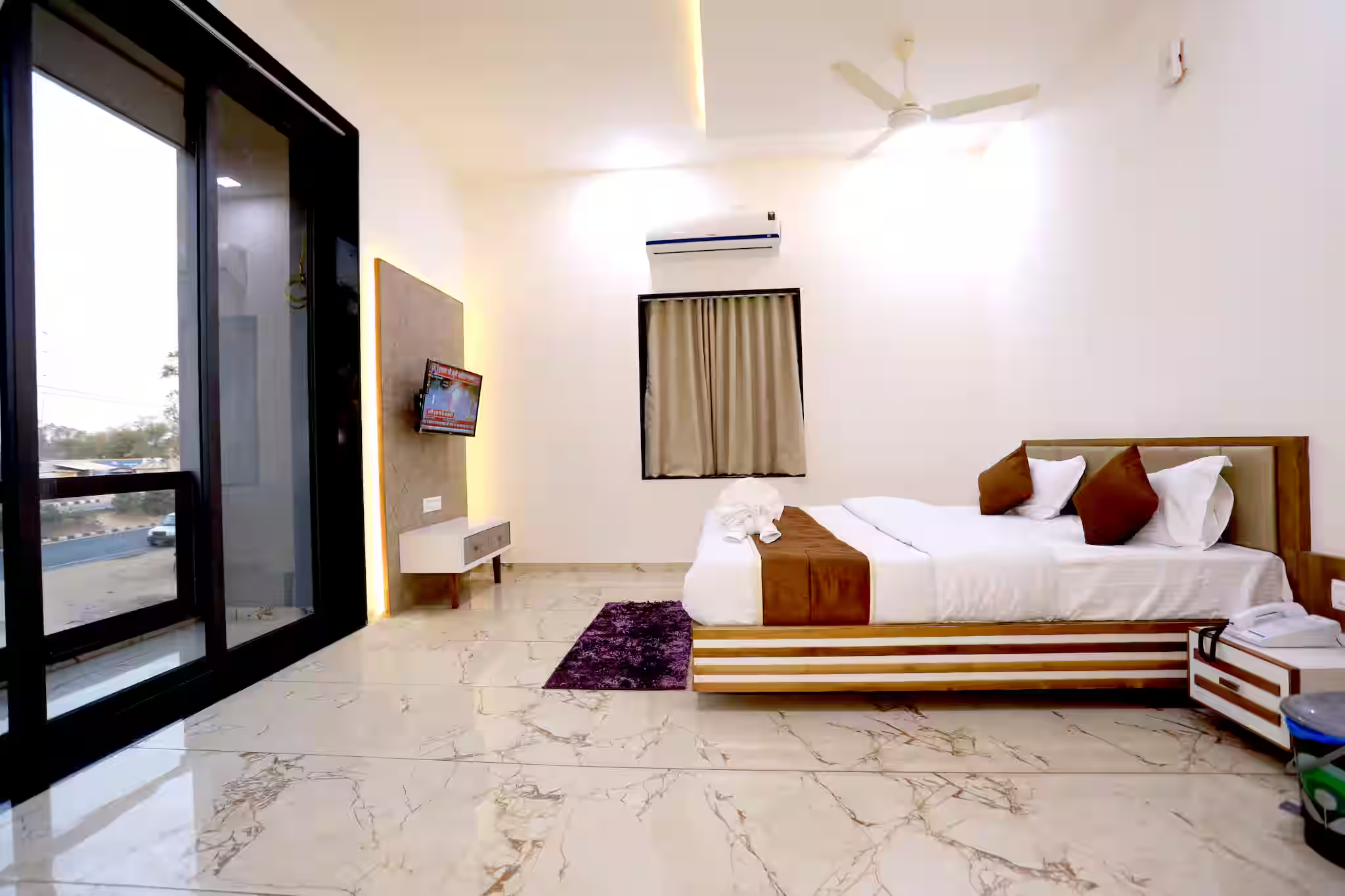
Hotel room categories can be difficult to compare because names such as superior, deluxe and premium do not follow a universal standard. The most useful choice depends on who is travelling, how much time they will spend in the room and which parts of the property they want close by. When reviewing accommodation at Kamala Beach, Phuket, travellers should look beyond the category title and compare layout, outlook, access and sleeping arrangements in practical terms.
A more expensive room is not automatically a better match. A well-positioned standard room may suit an active couple more successfully than a larger option beside a noisy facility.
Start With the People Sharing the Space
Couples, families and friends use a room differently. A single open-plan space may feel generous for two people but provide little privacy when shared by parents and older children.
Families should confirm whether extra beds are permanent, fold-out or brought into the room after arrival. The floor area shown online may not reflect how much usable space remains once a cot or additional bed has been installed. Bathroom access also becomes more important when several people need to get ready at the same time.
Groups booking multiple rooms may prefer connecting accommodation or rooms placed close together. These arrangements should be requested early because they are often subject to availability rather than guaranteed automatically.
Think About Where the Room Sits
The room’s position can shape the holiday as much as its interior. Accommodation near the pool provides quick access to loungers and swimming but may experience more conversation, music and movement throughout the day.
Garden areas can feel calmer, although they may involve a longer walk to the beach, restaurant or reception. Upper floors can offer a more open outlook but may be less convenient for pushchairs or guests with mobility concerns if lift access is limited.
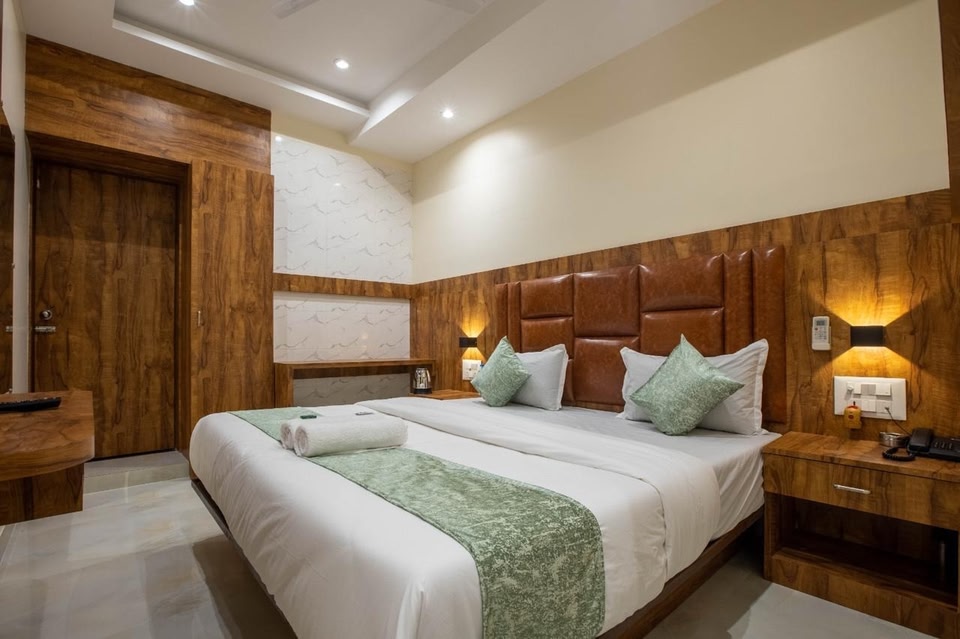
Travellers should ask about the route rather than relying only on the zone name. Steps, uneven paths and long outdoor corridors can make a room feel farther away than the map suggests, particularly in strong heat or rain.
Compare What the Rate Includes
Two identical rooms can have different booking conditions. Breakfast, cancellation flexibility, extra-person charges and airport transfers may account for a substantial difference in price.
The number of guests covered by the rate should be clear. Families sometimes discover that breakfast or bedding for a child is charged separately even though the room permits the occupancy.
Flexible cancellation may be worth paying for when flights or wider travel plans could change. Conversely, a non-refundable rate can provide good value when dates are fixed and the savings are meaningful.
Direct and third-party bookings may also include different benefits, but travellers should compare the final cost and conditions rather than assuming one channel is always cheaper.
Make Special Requests Specific
Hotels can respond more effectively when requests describe the actual need. “Quiet room” may mean away from lifts, entertainment or connecting doors, depending on the traveller.
Accessibility needs should be discussed directly. Travellers may require step-free access, a walk-in shower or space for mobility equipment, and a general room description may not confirm these details.
Celebrations, early arrivals and late departures should also be arranged rather than assumed. Even when a request cannot be guaranteed, advance notice gives the property a better chance of helping.
The right room supports the holiday quietly. It provides enough space, sits in a suitable part of the property and avoids practical compromises that become noticeable every day. Comparing those details carefully is far more useful than choosing whichever category name sounds most luxurious.