

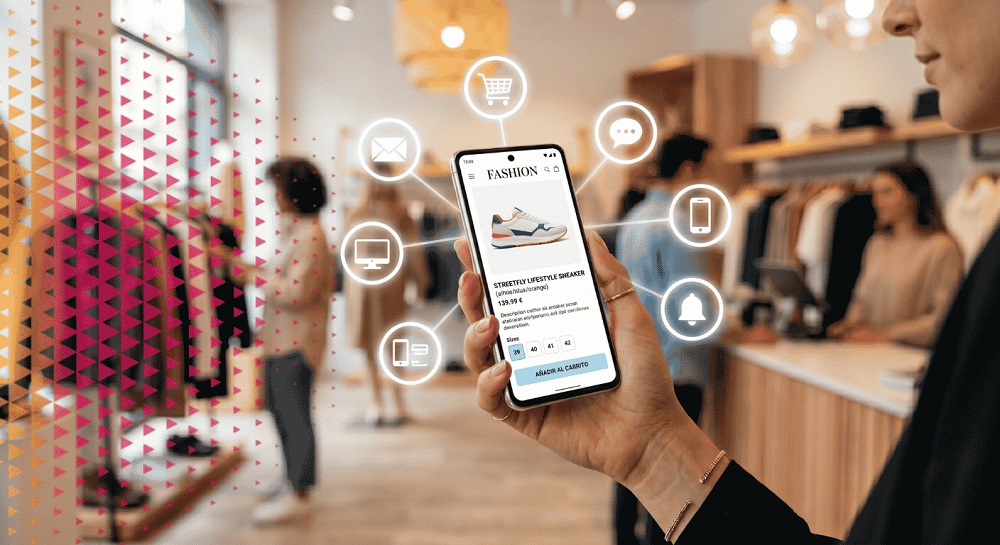
The retail landscape has undergone a fundamental transformation over the past decade. Modern consumers no longer view online shopping and brick-and-mortar stores as separate, competing channels. Instead, they expect a unified retail ecosystem where digital touchpoints and physical store locations operate in harmony. This seamless integration of sales and communication channels is known as omnichannel shopping.
Unlike traditional multichannel strategies that operate in siloes, an omnichannel approach connects every customer interaction into a single, cohesive journey. Whether a customer researches a product on a mobile app, checks local inventory on a desktop computer, purchases the item online, and picks it up in a local store, the brand experience remains consistent and synchronized. Understanding the role of omnichannel retail in driving customer satisfaction is essential for businesses seeking to build long-term brand loyalty and competitive advantage.
Defining Omnichannel Commerce vs Multichannel Commerce
To understand why omnichannel shopping drives high customer satisfaction, it is necessary to distinguish it from a traditional multichannel approach.
-
Multichannel Shopping: A retailer operates several independent sales channels, such as a physical storefront, an e-commerce website, and a mobile application. However, these channels operate separately. Inventory databases are disconnected, customer service records are isolated, and promotional offers available online may not be honored in physical stores.
-
Omnichannel Shopping: All operational and customer-facing channels are interconnected in real time. A customer can add an item to their shopping cart via a mobile app during a morning commute, view the updated cart on a desktop computer at work, and complete the transaction in a physical store with a sales associate who can access the customer’s purchase history and preferences.
The primary difference lies in integration. Multichannel retail focuses on expanding the number of sales outlets, whereas omnichannel retail prioritizes unifying the customer experience across every touchpoint.
Core Drivers of Customer Satisfaction in Omnichannel Retail
Customer satisfaction depends on reducing friction, meeting expectations, and providing convenience. Omnichannel shopping directly addresses these core consumer demands through several distinct operational advantages.
1. Convenience and Flexible Fulfillment Options
Modern shoppers value convenience above almost all other factors. Omnichannel retail allows consumers to choose how, when, and where they purchase and receive products.
-
Buy Online, Pick Up in Store: This fulfillment method allows customers to avoid shipping fees and long delivery waiting periods while enjoying the convenience of digital browsing. It also reduces return rates, as customers can inspect or try on items upon arrival at the store.
-
Curbside Pickup: Popularized as a frictionless fulfillment option, curbside pickup offers extreme convenience for busy parents, elderly shoppers, or consumers seeking a quick, hassle-free order retrieval process.
-
Ship from Store: When a local warehouse runs out of stock, omnichannel inventory systems route orders to nearby physical retail stores that hold the items in stock, accelerating delivery times and lowering transportation costs.
-
Hassle-Free In-Store Returns: Customers who order items online appreciate being able to return unwanted goods directly to a local physical store rather than packaging items, printing shipping labels, and waiting for refund processing.
2. Real-Time Inventory Visibility
Few things cause greater customer frustration than driving to a store to purchase an item only to discover it is out of stock. Omnichannel platforms solve this problem by integrating point-of-sale systems with digital storefronts.
Real-time inventory tracking allows shoppers to verify local product availability before visiting a physical store. Furthermore, if a customer is inside a store and cannot find their size on the display rack, store associates equipped with mobile tablets can check company-wide inventory, place an online order for the customer on the spot, or reserve the item at a nearby location.
3. Personalization Across All Touchpoints
Customer data integration enables brands to deliver highly personalized shopping experiences. When a business consolidates purchase history, browsing behavior, and loyalty program activity into a single customer profile, it can tailor interactions across all channels.
For example, a customer who frequently purchases athletic footwear online might receive targeted recommendations for matching running gear when opening the brand’s mobile app. If that same customer contacts customer support or visits a physical store, service representatives can instantly view past purchases, enabling them to provide relevant assistance without asking repetitive questions.
Overcoming Friction Points in the Customer Journey
Traditional retail models are prone to operational bottlenecks that irritate shoppers. Omnichannel strategies systematically eliminate these friction points to create a smoother, more satisfying journey.
Streamlined Customer Service and Support
In a traditional retail setup, contacting customer support often requires repeating information when transferred between departments or switching from live web chat to telephone support. Omnichannel customer service platforms maintain contextual history across communication channels.
A customer who starts an inquiry on social media messaging, escalates it via an AI-driven chatbot, and finishes with a phone representative experiences zero interruption, as every support agent has access to the preceding conversation transcript.
Unified Loyalty and Rewards Programs
Fragmented reward structures reduce consumer engagement. An effective omnichannel strategy merges loyalty points across online and offline transactions into a single account balance.
Shoppers can earn points when ordering via a mobile app or making an in-store purchase, and redeem those rewards seamlessly across any channel. This consistency reinforces brand trust and encourages repeat patronage.
The Financial and Strategic Value of Omnichannel Loyalty
Delivering a superior omnichannel experience does more than improve customer satisfaction survey scores; it generates measurable financial growth. Highly satisfied omnichannel shoppers display higher lifetime customer value compared to single-channel buyers.
-
Increased Order Value: Consumers who use multiple channels during their purchase journey tend to spend significantly more per transaction because they have access to broader product catalogs, comprehensive customer reviews, and personalized recommendations.
-
Higher Retention Rates: Brands that maintain strong omnichannel engagement retain a much higher percentage of their customer base year over year compared to brands with weak cross-channel integration.
-
Lower Customer Acquisition Costs: Satisfied, loyal shoppers generate word-of-mouth referrals and organic brand advocacy, reducing the need for aggressive, costly advertising campaigns.
Key Operational Challenges in Executing Omnichannel Strategies
While the benefits of omnichannel commerce are clear, implementing an integrated retail strategy requires overcoming substantial operational and technological hurdles.
-
Legacy Systems Integration: Unifying disparate software systems, such as old point-of-sale terminals, warehouse management platforms, and digital e-commerce software, requires significant financial investment and technical expertise.
-
Inventory Management Accuracy: Maintaining accurate real-time inventory counts across hundreds of physical stores and distribution hubs demands advanced RFID technology and automated tracking tools.
-
Cross-Departmental Collaboration: Transitioning from siloed sales channels requires restructuring internal teams, aligning incentives between online and physical store staff, and fostering a customer-centric corporate culture.
Frequently Asked Questions
What is the single biggest difference between omnichannel and multichannel shopping?
The fundamental difference lies in system integration and customer experience. Multichannel shopping offers multiple sales channels that operate independently with separate databases, customer service teams, and inventory records. Omnichannel shopping fully integrates all sales and support channels into a single connected framework, allowing customer data, inventory levels, and interaction histories to synchronize seamlessly across digital and physical touchpoints.
How does buy online pick up in store benefit both the customer and the retailer?
For the customer, buy online pick up in store eliminates shipping costs, reduces delivery wait times, and guarantees product availability before leaving home. For the retailer, this fulfillment method lowers shipping expenses, reduces package return rates, and frequently drives additional impulse purchases when customers enter the physical store to collect their orders.
What technology is required to implement accurate omnichannel inventory tracking?
Retailers rely on centralized enterprise resource planning software, warehouse management systems, and real-time point-of-sale data integration. Many brands also use radio frequency identification tags attached to individual products. This hardware and software combination allows inventory counts to update automatically across physical stores, distribution centers, and website storefronts simultaneously.
Why is mobile app integration critical to an effective omnichannel strategy?
Mobile devices serve as the primary digital bridge between physical retail stores and online channels. Consumers frequently use mobile apps inside physical stores to compare product prices, scan quick response codes for detailed product specifications, access digital loyalty cards, read customer reviews, or locate specific store aisles, making mobile integration essential for a frictionless in-store experience.
How does an omnichannel strategy impact physical retail store staff?
An omnichannel strategy changes the role of physical store staff from traditional cashiers and sales clerks into fulfillment specialists and brand advisors. Store associates use handheld mobile devices to process customer returns from online orders, locate items for curbside pickup, check company-wide inventory, and access customer loyalty profiles to deliver personalized service.
Can small and mid-sized businesses successfully implement omnichannel shopping?
Yes, small and mid-sized businesses can successfully adopt omnichannel practices by leveraging modern, cloud-based e-commerce platforms and point-of-sale software. Many software providers offer built-in integrations that allow small businesses to sync local store inventory with online catalogs, manage unified loyalty programs, and offer local order pickup options without building custom enterprise infrastructure.
How do inconsistent pricing across channels affect customer satisfaction?
Inconsistent pricing creates distrust and frustration among shoppers. When a customer finds an item priced lower on a brand’s website than inside its physical store, they feel penalized for shopping in person. An effective omnichannel strategy maintains consistent pricing and promotional offers across all channels or explicitly offers price-matching guarantees to preserve customer trust.