

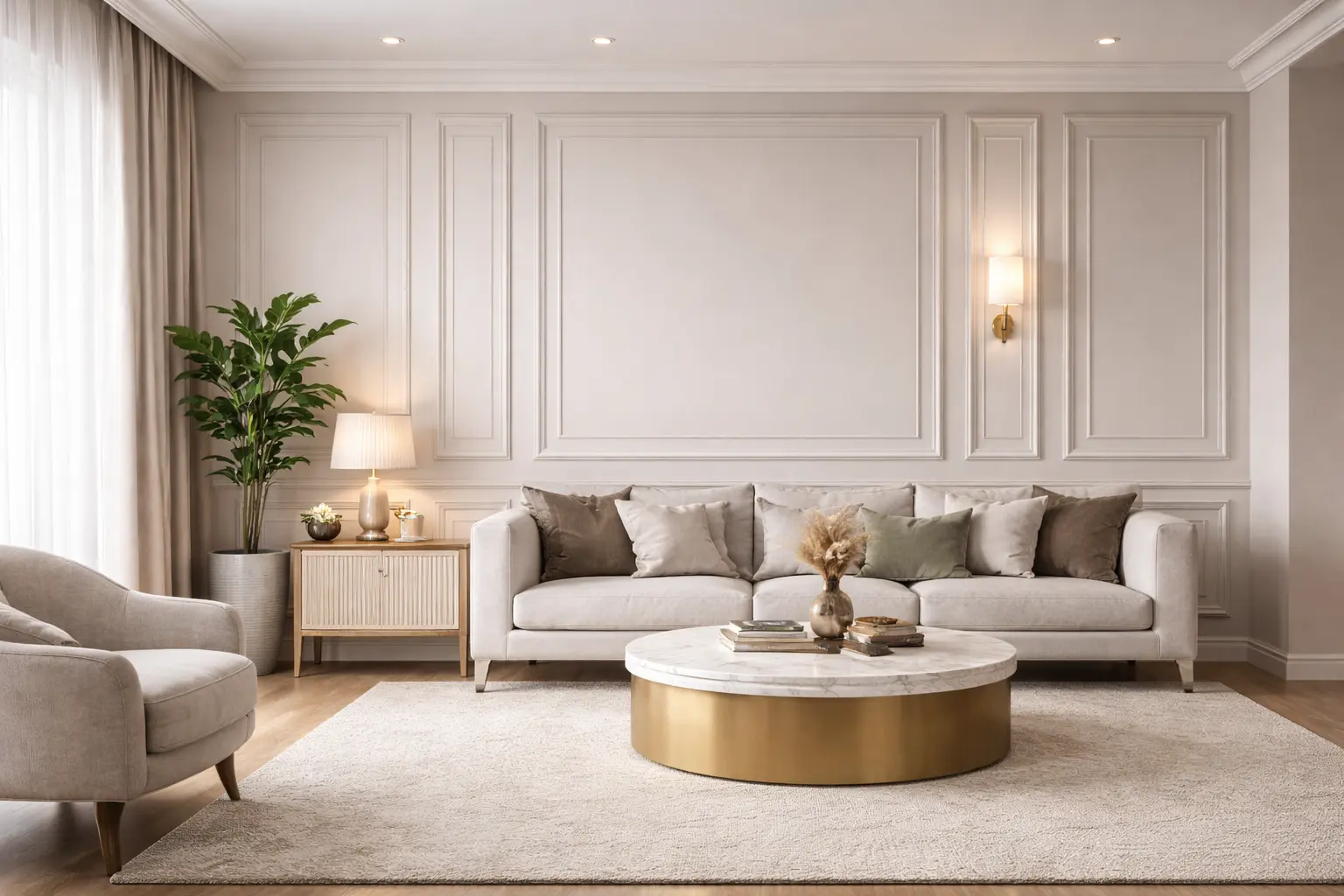
Decorative moulding has long been a hallmark of refined interiors, and in Thailand, its role in luxury home design is more prominent than ever. From grand Bangkok penthouses to hillside villas in Chiang Mai, homeowners are investing in architectural details that bring depth, character, and elegance to their spaces. The choice of material matters enormously, and poly moulding (known as บัวโพลี in Thai) has become a particularly popular option, offering the look of traditional plaster or carved timber at a fraction of the weight and installation cost.
Thai luxury interiors often draw on a layered visual language. Gilded accents, intricate geometric patterns, and tiered ceiling details all feature heavily in high-end residential design across the country. Poly mouldings fit naturally into this aesthetic, as they can be produced in complex profiles that echo traditional Thai temple architecture or replicate the ornate detailing found in classic colonial-era homes, particularly those seen in older Bangkok neighbourhoods. Their durability also suits Thailand’s tropical climate, where humidity can cause natural timber to warp or crack over time.
One of the most effective ways to use poly moulding in a Thai luxury home is on the ceiling. Coffered ceilings, in particular, have seen a resurgence in high-end residential builds. By framing each coffer with a deep crown profile and adding a central rosette, designers create a sense of height and grandeur even in rooms with standard ceiling clearances. Paired with warm LED lighting recessed within the frames, the effect is architectural and atmospheric.
Wall panelling is another area where decorative moulding makes a strong impact. In formal reception rooms and master suites, full-height panelling with raised or recessed sections adds a sculptural quality to plain walls. This technique works especially well in homes that blend contemporary Thai design with European classical influences, a combination increasingly common in luxury developments across Phuket and Koh Samui.
Doorway and archway framing represents one of the more traditional applications. In Thai residential architecture, entrances carry symbolic importance, and a well-proportioned architrave immediately elevates the perceived quality of the space. Bold pilaster mouldings flanking a doorway create a formal, welcoming presence without requiring structural changes.
For those designing outdoor-facing areas, such as covered terraces or sala-style pavilions, the material’s resistance to moisture makes it practical as well as decorative. Intricate frieze panels along the roofline of a terrace space can create a seamless visual connection between interior and exterior areas a design priority in many Thai luxury homes where indoor-outdoor living is central.
A few ideas worth considering:
- Crown moulding with gold or metallic finish for formal dining rooms
- Stepped ceiling frames in master bedrooms to define a canopy area above the bed
- Thai-inspired fretwork panel details used as room dividers or feature walls
- Slim shadow-line profiles in contemporary minimal interiors for subtle definition
Decorative moulding, when chosen carefully and applied with intention, transforms a well-built home into something that feels genuinely considered. In Thailand’s growing luxury property market, it remains one of the most cost-effective ways to achieve that standard.