

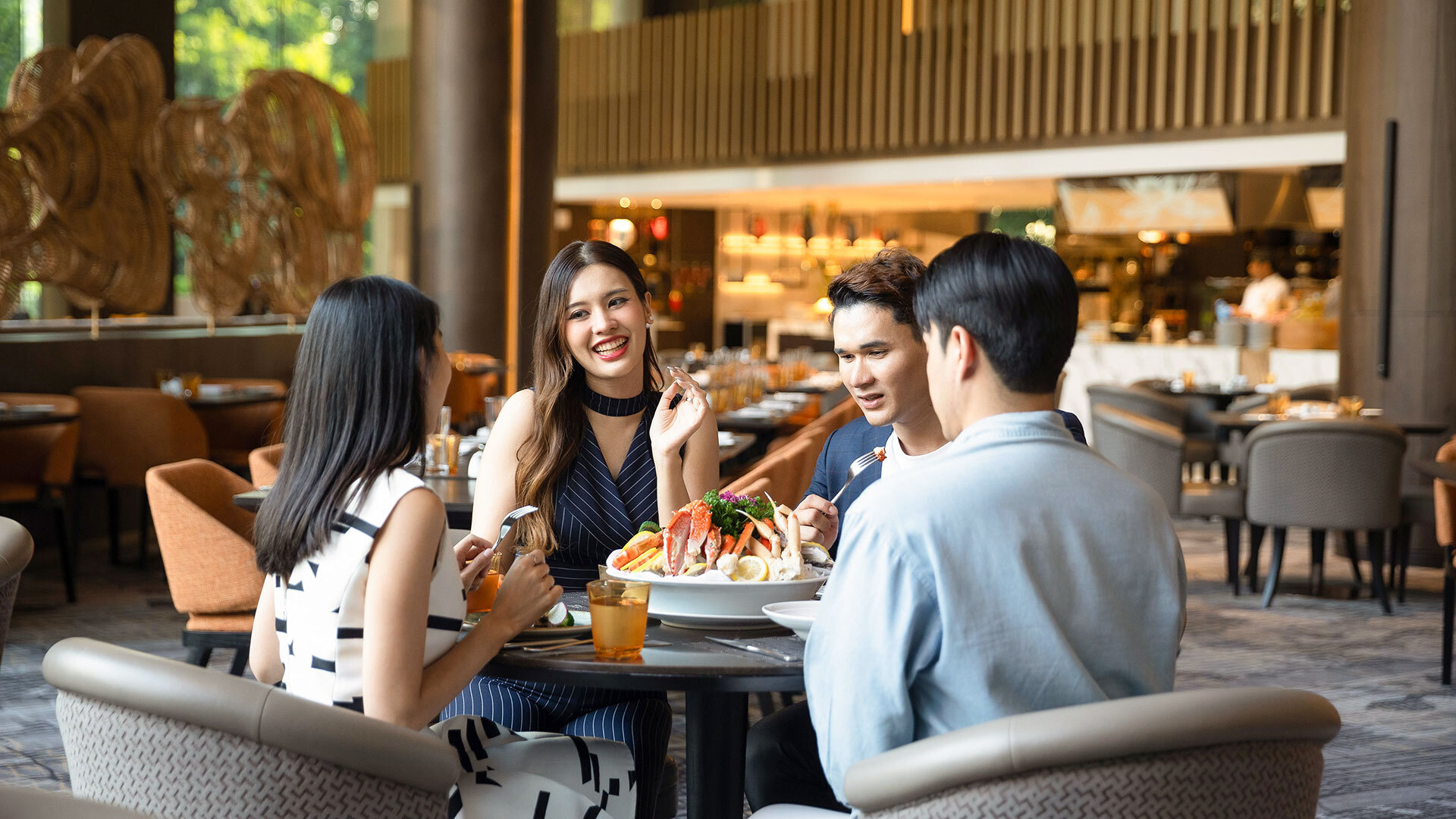
A good restaurant can satisfy hunger, but a memorable one gives the evening a clearer sense of purpose. The food, room, service, timing and neighbourhood all influence whether dinner feels like a genuine occasion. For visitors and locals considering fine dining in Ratchathewi, the appeal is often found in the balance between Bangkok’s creative energy and a more considered, carefully paced way of eating.
The Neighbourhood Adds Context
Ratchathewi sits close to several of Bangkok’s most active areas, making it a useful setting for people who want dinner to feel connected to the city rather than removed from it. Nearby shopping, hotels, transport links, galleries, offices and cultural spots can all shape the atmosphere of an evening out.
This matters because fine dining is not only about what happens at the table. The journey there, the surrounding streets and the sense of arrival all contribute to the experience. A restaurant in a well-connected district can suit travellers, couples, business guests and Bangkok residents who want something polished without needing to travel far from the city’s central rhythm.
A good location also makes the evening easier to plan. Guests can pair dinner with drinks, a gallery visit, shopping, a hotel stay or a relaxed walk through nearby areas, turning the meal into part of a fuller night out.
Fine Dining Should Feel Considered, Not Stiff
Some people associate fine dining with formality, but the best experiences do not need to feel cold or intimidating. What matters is care. The menu should feel deliberate, the room should support conversation, and service should guide guests without making the evening feel overly controlled.
A considered restaurant experience gives diners room to settle in. Staff may explain dishes, suggest pairings or help guests understand unfamiliar ingredients, but the tone should still feel welcoming. Guests should feel looked after, not tested.
This balance is especially important in Bangkok, where hospitality often carries warmth and generosity. A refined meal can still feel relaxed when the service, setting and pacing are handled well.
The Food Needs A Clear Point Of View
Fine dining works best when the kitchen has something to say. That might involve reworking familiar flavours, combining culinary influences, focusing on seasonal produce or presenting dishes with a strong visual and sensory identity.
A meal should not feel like a collection of impressive techniques without purpose. Each course needs to contribute to the wider experience. Diners should be able to sense why the ingredients, textures and flavours have been placed together.
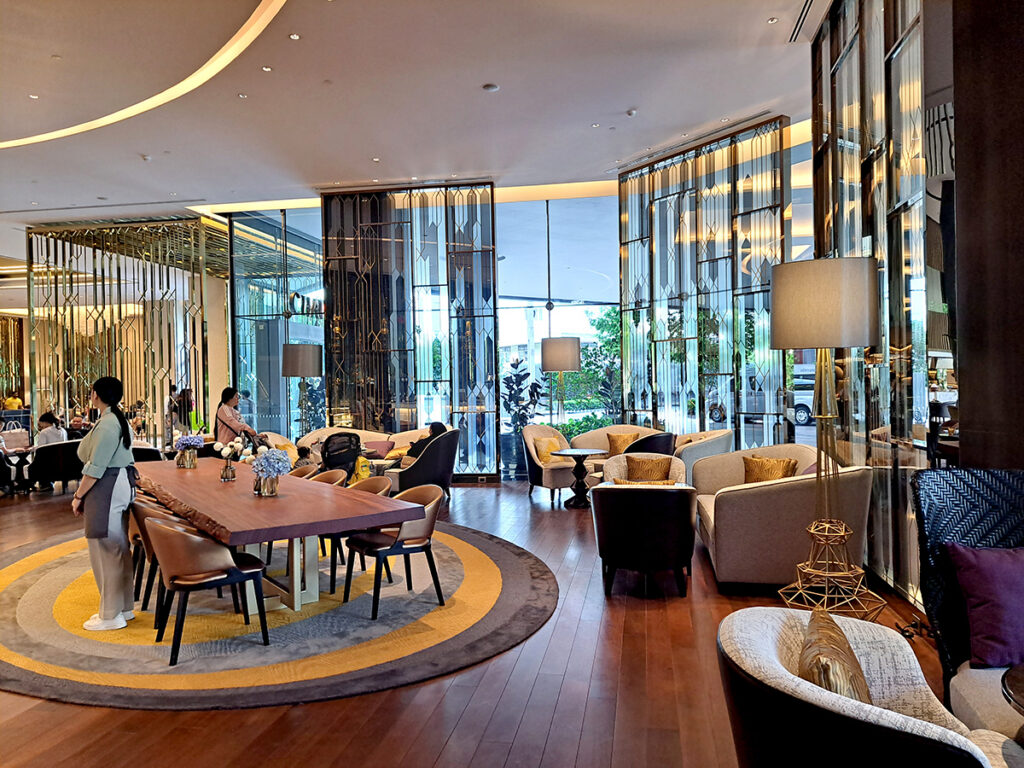
This does not mean every dish has to be complicated. Sometimes the most confident cooking comes from restraint. A single well-balanced sauce, a precise texture or a carefully chosen contrast can be more memorable than a plate crowded with unnecessary details.
Pacing Can Define The Evening
The rhythm of service can change how a meal feels. If dishes arrive too quickly, guests may feel rushed. If the gaps are too long, the evening can lose energy. A strong fine dining experience should unfold at a pace that lets people enjoy each course while keeping the conversation moving naturally.
This becomes even more important for tasting menus or multi-course formats. The restaurant needs to manage appetite, attention and comfort across the whole evening. Drinks, explanations and transitions between courses all play a part.
When pacing is right, guests stop thinking about the mechanics of the meal. The evening simply flows.
A Memorable Dinner Feels Complete
People often remember fine dining through a combination of details: the first impression of the room, a particular dish, the way a server explained something, the atmosphere at the table or the feeling of leaving satisfied rather than overwhelmed.
That sense of completeness is what separates a good meal from a standout one. The food must be strong, but it also needs the right setting, service and timing around it.
In a district like Ratchathewi, where Bangkok’s movement and creativity sit close by, fine dining can feel both polished and connected to the city. When every element supports the occasion, dinner becomes more than a booking. It becomes a part of the trip, the celebration or the evening that guests remember clearly afterwards.