

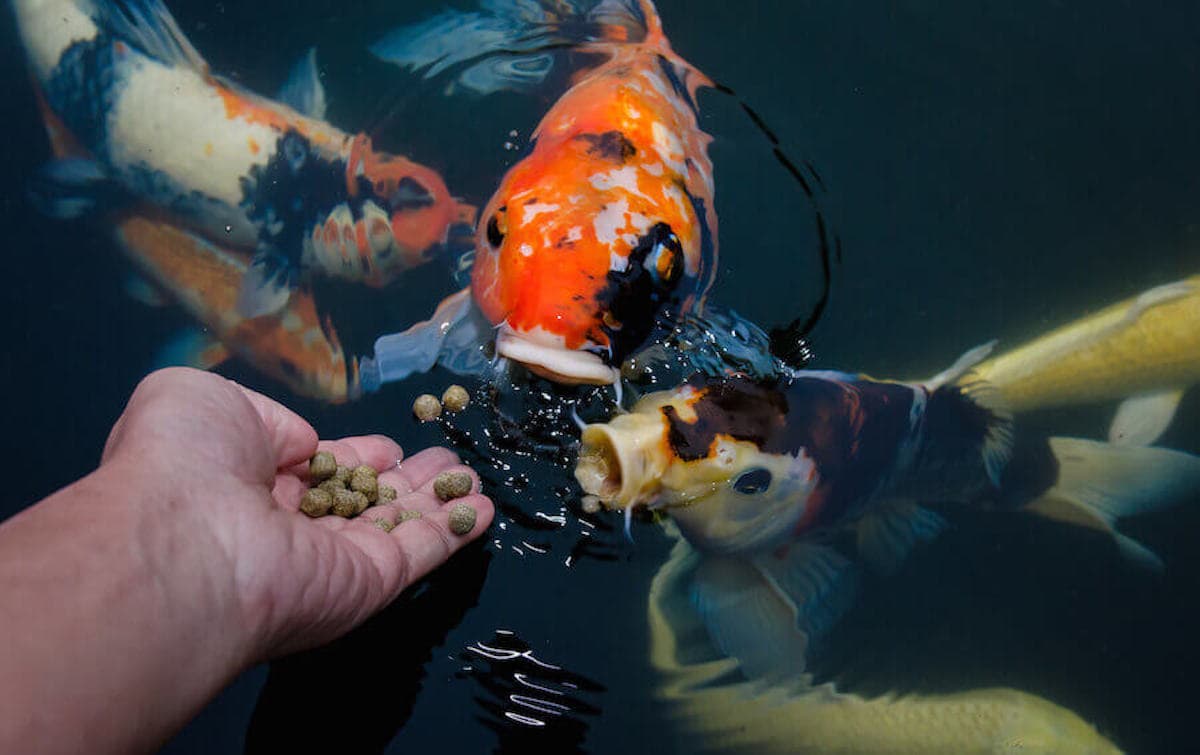
Feed quality has a major influence on the health, growth and commercial performance of farmed fish. For farms raising seabass, choosing a reliable seabass feed manufacturer can be a positive step towards supporting consistent nutrition, better feed efficiency and more predictable production outcomes across each growth stage.
Seabass Have Specific Nutritional Needs
Seabass are valuable marine fish, but they need carefully balanced nutrition to grow well in farming conditions. Their diet must provide the right levels of protein, fat, vitamins, minerals and energy to support healthy development, immune function and body condition.
Feed formulation should reflect the biology of the species. A feed designed for a different fish may not provide the right nutrient profile, pellet size or digestibility. Young seabass, growing fish and fish approaching market size may also need different feed characteristics.
When nutrition is not well matched, farms may see slower growth, uneven sizing, weaker condition or poorer feed conversion. Over time, this can affect both profitability and product quality.
Feed Conversion Is Central to Farm Efficiency
Feed is one of the largest costs in aquaculture, so efficiency matters. A well-formulated seabass feed should help fish convert feed into growth effectively, reducing unnecessary waste and supporting stronger production results.
Feed conversion is not only about the feed itself. It is also influenced by water temperature, oxygen levels, stocking density, fish health, feeding technique and farm management. However, the quality of the feed remains one of the key foundations.
A feed that appears cheaper at first may not offer better value if more of it is needed to achieve the same growth. Farms should look at performance across the whole production cycle, not just the purchase price.
Pellet Quality Affects Feeding Performance
The physical quality of the pellet can make a real difference in seabass farming. Feed needs to be the right size for the fish, stable enough in water and palatable enough to encourage proper intake. If pellets break down too quickly or are not eaten efficiently, waste can increase.
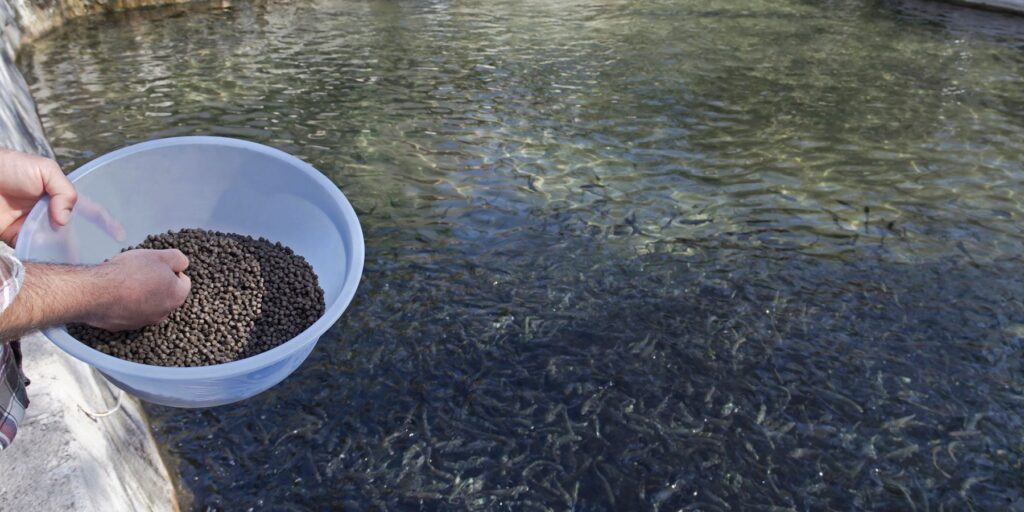
Uneaten feed can affect water quality, particularly in cages, ponds or tank systems where waste management is important. Poor water quality can then create further problems for fish health and growth.
Good pellet design supports better feeding behaviour and helps farm teams monitor intake more accurately. This can make it easier to adjust feeding rates and reduce overfeeding.
Consistency Helps Production Planning
Aquaculture farms rely on predictable performance. Consistent feed quality helps managers plan growth targets, harvest timing, stocking decisions and sales expectations. If feed quality varies from batch to batch, production becomes harder to manage.
A dependable manufacturer should provide feed that performs reliably over time. This includes consistent formulation, pellet structure, packaging, supply availability and technical information.
Supply reliability also matters. Running short of feed during an important growth stage can disrupt production and put fish under stress. Farms should work with suppliers that can support planned ordering and regular delivery.
Responsible Feed Choices Are Increasingly Important
Aquaculture is under growing pressure to improve sustainability, and feed plays a major part in that discussion. Ingredient sourcing, fishmeal and fish oil use, alternative proteins, traceability and production standards can all influence the environmental impact of farmed seafood.
For seabass farms, responsible feed selection can support both commercial performance and market confidence. Buyers, retailers and consumers increasingly want to understand how seafood is produced, including what farmed fish are fed.
Choosing feed is therefore not only a technical decision. It also reflects the farm’s approach to long-term production quality and responsible aquaculture.
The right seabass feed should support healthy fish, efficient growth, stable water quality and reliable farm performance. By considering nutrition, pellet quality, consistency, supply and sourcing, farms can make better decisions that benefit both daily operations and the final seafood product.