

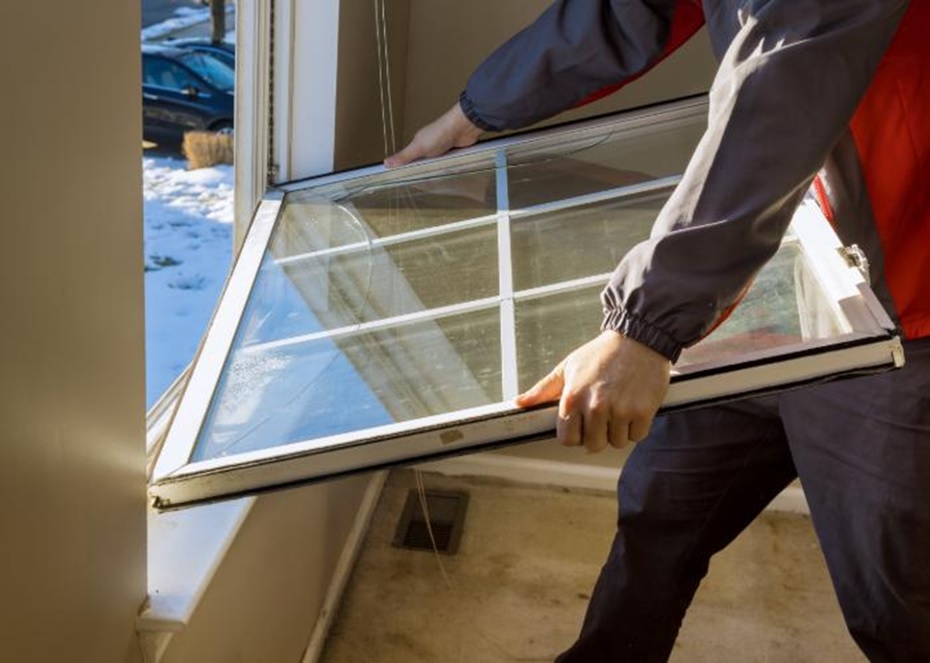
Replacing old windows can improve comfort, appearance, ventilation, and energy performance throughout your house. Still, choosing new windows is only part of the process. The window installation companies in Providence, RI, completing the work can have a major impact on how well those windows fit, operate, and perform after the project is finished.
Before scheduling window installation, it helps to know exactly what to ask. A few smart questions can reveal how a company approaches measuring, product selection, installation, warranties, and cleanup. They can also make it easier to compare companies based on more than price alone.
Window projects involve several moving parts. Measurements must be accurate, products must fit the opening properly, and installers must seal and finish the surrounding area with care. Asking questions before signing a contract gives you a clearer idea of what the company plans to do and what you can expect once work begins.
How Much Experience Do You Have With My Window Type?
Different window styles can require different installation methods. A company that regularly works with the type of window you are considering may be better prepared for the details involved.
Ask about experience with options such as double hung, casement, sliding, picture, bay, or bow windows. You can also ask how often the company installs the specific brand or frame material you are considering.
This matters because vinyl, wood, fiberglass, and other materials can have different installation requirements. A company should be able to explain how its experience applies to your project instead of giving you a vague answer.
What Window Products Do You Recommend?
A contractor should be able to explain why a certain window may suit your house. That recommendation should be considered more than appearance.
Ask about frame materials, glass packages, insulation features, operating styles, and energy ratings. Find out what makes one option different from another and how those differences may affect comfort, maintenance, and performance.
During this conversation, pay attention to how clearly the company explains its recommendations. Good window installation planning should leave you feeling informed rather than overwhelmed by technical language.
How Will You Measure the Openings?
Accurate measurements are critical. Even a quality window can create problems if it does not fit the opening correctly.
Ask who performs the measurements and how the company handles openings that are uneven or no longer perfectly square. This can be especially important in older houses where framing may have shifted over time.
You can also ask if measurements will be checked again before the windows are ordered. Confirming dimensions before placing the order can reduce the chance of discovering a sizing issue once the materials arrive.
What Does the Installation Process Include?
Not every estimate includes the same work. One company may include removal, disposal, insulation, caulking, and finishing, while another may charge separately for some of those steps.
Ask the company to explain the complete process from start to finish. The answer should cover removal of the existing window, preparation of the opening, placement of the new unit, insulation, sealing, exterior finishing, interior finishing, and cleanup.
Knowing what is included makes it easier to compare window installation companies fairly. A lower estimate may not be the better value if important parts of the project are missing.
How Will You Seal Around the Window?
The space around the window matters almost as much as the window itself. Gaps around the frame can allow unwanted air movement and may affect indoor comfort.
Ask what materials will be used to insulate and seal the opening. You should also ask how exterior joints will be protected from rain and how interior gaps will be finished.
The U.S. Department of Energy explains that window design and performance can affect air leakage, heat transfer, and overall energy use. Its Energy Saver resources also provide useful information about different window technologies and efficiency features.
Discussing these details before window installation can help you understand how the company plans to address more than the visible parts of the project.
What Energy Ratings Should I Look At?
Window labels often contain several ratings that may seem confusing at first. Ask the installer to explain what they mean and which ones matter most for your climate.
The U factor measures how well a window limits heat transfer. Solar heat gain information indicates how much heat from sunlight passes through the window. Other ratings can help describe air leakage, visible light, and condensation resistance.
You do not need to become an expert in window science, but you should understand why a certain product is being recommended. A contractor should be able to explain these numbers in practical terms.
What Warranty Coverage Is Included?
Warranties can vary widely, so ask for details before choosing a company.
There may be separate warranties for the window itself, the glass, hardware, and labor. Ask how long each type of coverage lasts and what situations are included or excluded.
You should also find out who you contact if something goes wrong. Knowing whether the manufacturer or installer handles a particular issue can save confusion later.
Before agreeing to window installation, request warranty information in writing so you have a clear record of the coverage.
Who Will Actually Perform the Work?
The person giving you an estimate may not be the same person who arrives for the project.
Ask whether the installation crew consists of employees, subcontractors, or a combination of both. You can also ask who will supervise the work and who your main point of contact will be.
Knowing who is responsible for the project makes communication easier. It also gives you a clear person to approach if you have questions while work is underway.
What Should I Expect on Installation Day?
Ask what you need to do before the crew arrives. You may need to move furniture, remove curtains, take down blinds, or clear space around the windows.
You should also ask how the crew protects floors and nearby surfaces, what happens to the old windows, and how cleanup will be handled.
Before the crew leaves, open and close each new window. Check locks, screens, trim, and caulking. Taking a few minutes to review the completed window installation can help you spot questions while the crew is still on site.
Can I Get the Full Project Details in Writing?
A written agreement gives you something specific to review instead of relying on memory or verbal promises.
The proposal should identify the windows being installed, product specifications, the number of units, including labor, finishing work, disposal, warranties, and any other services you discussed.
Read the agreement carefully before signing. If something is unclear, ask for an explanation or correction.
Conclusion
Choosing between window installation companies becomes much easier when you know what questions to ask. Learn about their experience, products, measuring process, installation methods, energy ratings, warranties, crews, and cleanup procedures before making your decision.
Taking time to gather this information can help you compare your options with greater confidence and understand exactly what your project includes.
If you are ready to explore new windows for your house, contact Providence Home Windows to discuss your project, review available options, and plan an installation that fits your needs.