

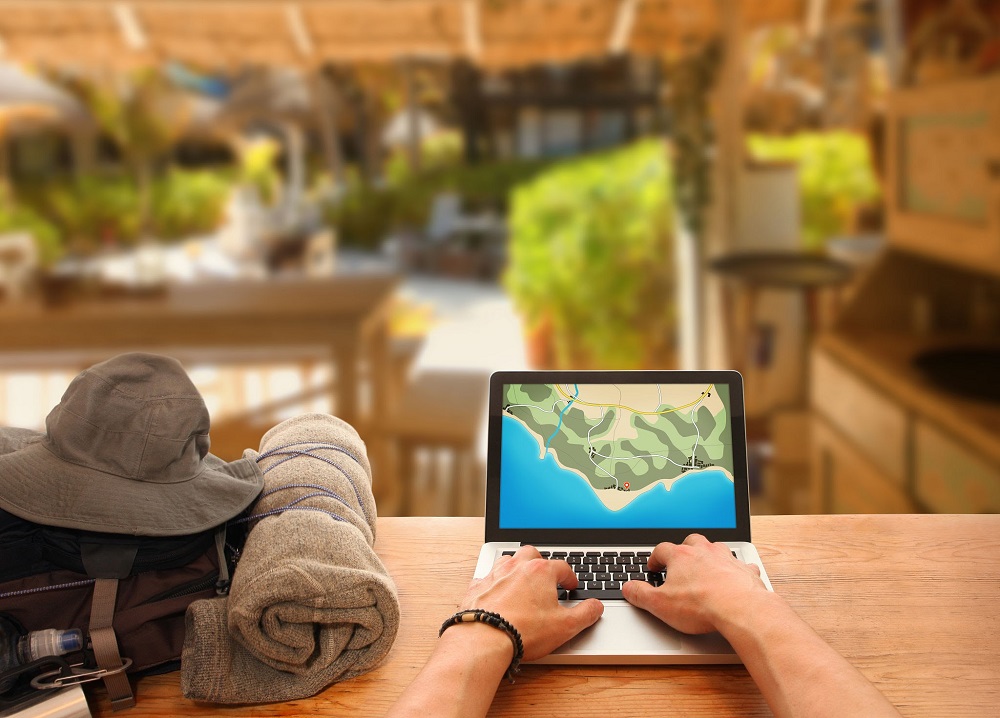
The boundaries between professional life and personal exploration have blurred significantly over recent years. What once required a strict departure from the office calendar—cramming vacations into a couple of designated weeks per year—has transformed into an ongoing lifestyle choice for millions worldwide. The widespread adoption of remote work model has fundamentally altered how people view location, leisure, and employment.
This cultural shift goes well beyond simply bringing a laptop to a beach resort. It represents a structural evolution in global hospitality, real estate, transportation, and regional economies. Understanding these changes reveals how mobile professionals are reshaping leisure travel into an integrated, long-term way of living.
The Rise of Bleisure and Flexcation Trends
For decades, business travel and personal leisure travel operated as two distinct industries. Business trips involved rigid schedules, downtown hotels, and minimal downtime. Leisure trips meant total detachment from corporate responsibilities. Remote work has blurred these lines, giving rise to bleisure travel and extended flexcations.
Bleisure travel occurs when employees extend standard business trips by adding extra days to explore the destination on their own time. Flexcations, on the other hand, happen when workers relocate their remote office to a vacation destination for several weeks or months, working regular hours while enjoying a new culture or climate during off-hours.
-
Extended Stays over Weekend Getaways: Traditional leisure travel relied heavily on short three-day weekends or one-week vacations. Remote workers now regularly book stays lasting three weeks to two months, since they can stay fully productive while away from home.
-
Off-Peak Travel Dynamics: Because remote workers are not tied to strict corporate holiday schedules, they often travel during shoulder seasons. This spreads tourism revenue across the entire year rather than concentrating it solely in summer or winter holidays.
-
Family-Friendly Remote Mobility: Hybrid and remote employment allows families to travel together outside of school holidays, provided working parents have stable internet connections and predictable working hours.
Shift in Accommodation Demands and Hospitality Services
The traditional hotel room—designed primarily for sleeping, with a small decorative desk and limited electrical outlets—no longer meets the needs of modern working travelers. The hospitality industry has had to adapt rapidly to accommodate guests who need to work efficiently while staying away from home.
From Short-Term Lodging to Co-Living Spaces
Short-term rental platforms and boutique hotels have overhauled their properties to cater to remote workers. Reliable high-speed fiber-optic Wi-Fi has evolved from an added amenity into an absolute necessity. Properties lacking high-speed internet struggle to retain digital nomad guests.
Furthermore, co-living spaces have emerged as a dominant trend in global real estate. These properties offer private sleeping quarters paired with shared communal kitchens, professional co-working spaces, soundproof meeting booths, and organized social events. They provide travelers with a sense of community, eliminating the isolation that can come with long-term solitary travel.
Ergonomic Design and Productivity Amenities
Modern travel accommodations increasingly feature dedicated workspaces. Hospitality providers are replacing small accent chairs with ergonomic desk chairs, adding standing desk options, installing high-output USB charging hubs, and ensuring rooms have ample natural light to reduce fatigue during video conference calls.
Economic Impacts on Global Tourism Destinations
The influx of long-stay remote workers is reshaping local economies around the globe. While traditional tourists spend money quickly over a short week, remote workers contribute sustained economic value to local communities over several months.
Economic Benefits for Secondary and Tertiary Cities
Historically, international tourism was dominated by major global metropolises and massive coastal resorts. Remote work has redirected traveler interest toward smaller secondary cities, rural towns, and mountain communities.
These smaller locations often offer lower living costs, scenic environments, and a relaxed pace of life. Remote workers spend money on local groceries, long-term rentals, gym memberships, co-working memberships, and dining at family-owned neighborhood restaurants, distributing economic benefits more evenly across host countries.
Government Initiatives and Digital Nomad Visas
Recognizing the economic opportunity of attracting skilled global workers, dozens of countries have created official digital nomad visas. These specialized legal frameworks allow foreign remote workers to stay legally for six months to two years without needing local employment sponsorship.
Countries offering digital nomad visas typically require proof of consistent remote income, health insurance coverage, and a clean criminal record. In exchange, remote workers gain legal tax clarity and extended residency, bringing steady spending power into the host nation’s economy.
Strategic Challenges Facing the Remote Travel Movement
While remote work travel offers freedom and lifestyle flexibility, it also presents distinct logistical, financial, and legal challenges for both individuals and employers.
-
Tax Implications and Corporate Compliance: Working across state or international borders can trigger unexpected tax obligations for both the worker and their employer. Companies face potential legal liabilities if employees operate in jurisdictions where the business lacks official tax registration.
-
Time Zone Fatigue: Maintaining real-time collaboration with colleagues spread across different time zones often requires working irregular hours, leading to early morning or late-night fatigue.
-
Housing Affordability in Popular Hubs: Popular nomad destinations can experience rapid rent increases, making long-term housing less affordable for local residents.
-
Data Security and Cybersecurity: Relying on public Wi-Fi networks in cafes and shared spaces exposes company systems to cybersecurity threats, requiring mandatory virtual private networks and secure authentication protocols.
Frequently Asked Questions
What is the primary difference between a traditional digital nomad and a flexcation traveler?
A traditional digital nomad typically lives a fully location-independent lifestyle without a permanent residential base, moving continuously between destinations over months or years. A flexcation traveler maintains a permanent primary residence and traditional job but takes advantage of remote work flexibility to work temporarily from vacation destinations for extended periods of two to six weeks.
How are airlines adapting to changes in remote work travel habits?
Airlines are noticing a shift in passenger booking patterns, with reduced distinct divides between business class and economy travel. Travelers are increasingly booking premium economy and mid-week flights to avoid weekend fare spikes. Airlines are responding by updating inflight Wi-Fi connectivity to support work tasks during flights and restructuring loyalty programs to reward frequent leisure and blended-trip travelers.
Do remote workers need special insurance when traveling internationally?
Yes, standard domestic health insurance policies rarely cover international medical treatment or emergency evacuation. Remote workers traveling abroad should secure specialized international health insurance or travel medical policies designed specifically for long-term travelers. These policies cover medical emergencies, equipment theft, and trip interruptions.
How do time zones affect a remote worker’s choice of travel destinations?
Time zones dictate daily work routines. Many remote professionals prefer traveling within time zones that align closely with their primary clients or team members. For instance, a US-based worker might choose destinations in Latin America to remain on North American Eastern or Central time, avoiding late-night or early-morning work calls required when working from Europe or Asia.
What equipment is essential for a remote worker traveling long-term?
A successful mobile work setup requires a lightweight laptop, a noise-canceling headset for video calls, a portable second monitor for multi-tasking, an ergonomic laptop stand, a universal travel adapter, a high-capacity power bank, and a secure portable Wi-Fi hotspot or local e-SIM for backup internet access.
How do cities prevent gentrification caused by an influx of digital nomads?
Municipalities manage these challenges by setting up specific tax frameworks, implementing local housing regulations, and encouraging remote workers to live outside saturated downtown cores. Some regional governments also require long-term foreign visitors to contribute to local community funds that support infrastructure development and affordable housing initiatives.
Can employees work remotely from any country without notifying their employer?
No, employees should always disclose their location to their HR and legal departments before working internationally. Working from a foreign country without authorization can create severe corporate tax liabilities, breach labor law compliances, violate data privacy regulations, and compromise corporate cybersecurity protocols.