

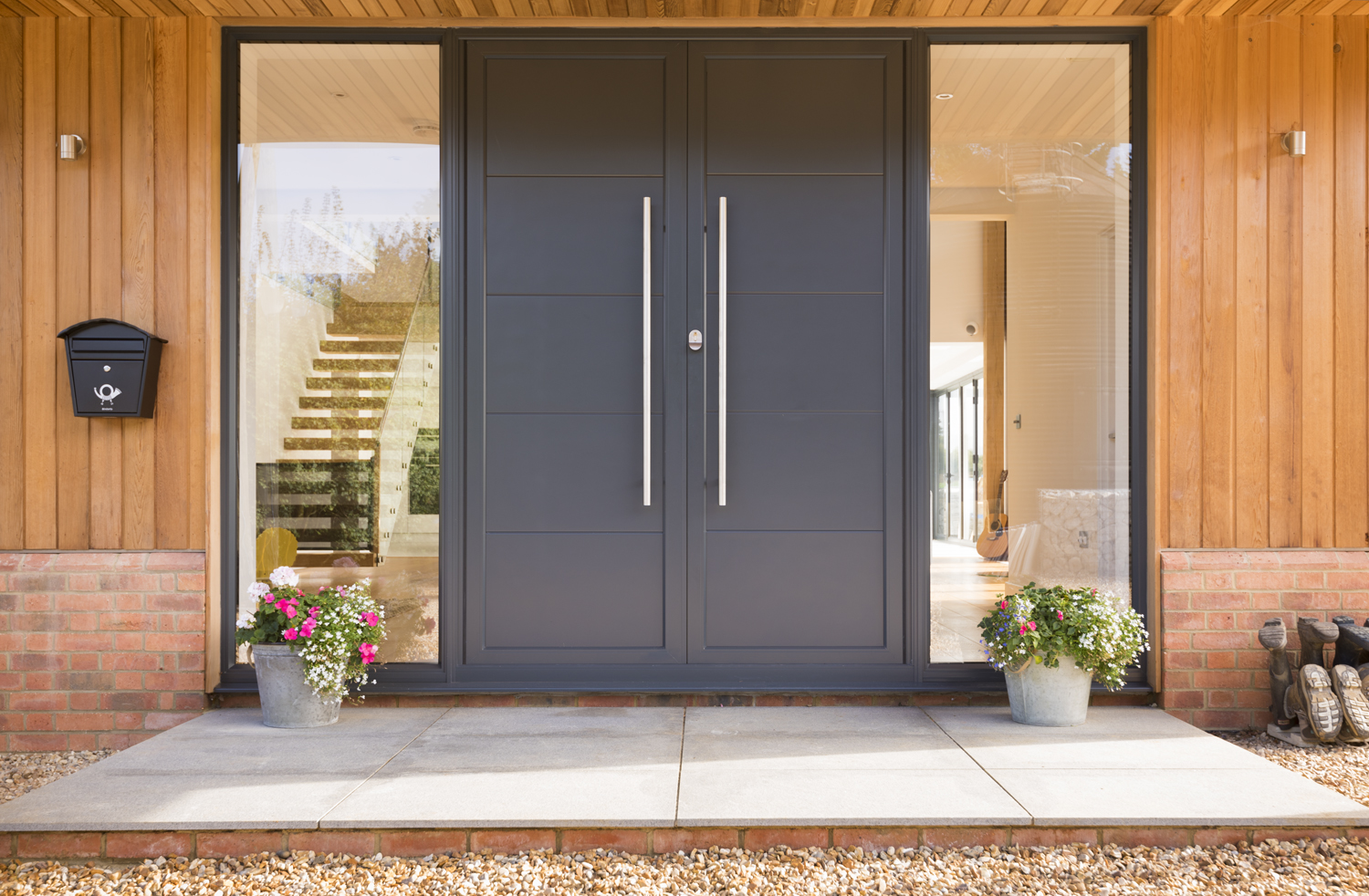
External doors need to do several jobs at once. They affect security, appearance, insulation, access and the way a property feels from both inside and outside. When selecting doors in Glasgow, it is worth considering the purpose of each door, the style of the building and the practical demands of daily use.
Start With The Door’s Main Purpose
A front door has a different role from a back door, French door, patio door or apartment entrance door. Each one needs to be chosen for the way it will be used.
A main entrance needs to feel secure, welcoming and suited to the property’s frontage. A rear door may need to be practical for garden access, bins, pets or children. Patio or bifold doors may be chosen to bring more light into a living space and improve the connection with the garden.
For flats, commercial units or developments, doors may also need to meet specific performance, access or compliance requirements. Thinking about the door’s purpose first makes the product choice much clearer.
Balance Security And Everyday Use
Security is one of the biggest considerations for any external door. Locks, hinges, frame strength, glazing and installation all affect how secure the finished door will be.
However, the door also needs to work easily for the people using it. A heavy door with awkward hardware can become frustrating. A glazed door may bring in more light, but it should still offer suitable privacy and security. A side or rear door may need to cope with frequent use, muddy shoes, shopping bags or garden traffic.
The best door feels solid and secure without becoming inconvenient.
Match Materials To The Project
Different materials offer different benefits. uPVC doors are often chosen for low maintenance and practicality. Composite doors can offer a strong entrance option with a wide range of styles and finishes. Aluminium doors may suit modern designs, larger openings or projects where slimmer frames are preferred.
The right material depends on the property, budget, design goals and level of use. A traditional home may suit a classic panelled or composite design. A contemporary extension may work better with aluminium sliding or bifold doors. A rental or trade project may prioritise durability, consistency and easy maintenance.
It is also worth considering colour and hardware together. Handles, letterplates, knockers, hinges and thresholds can all influence the finished look.
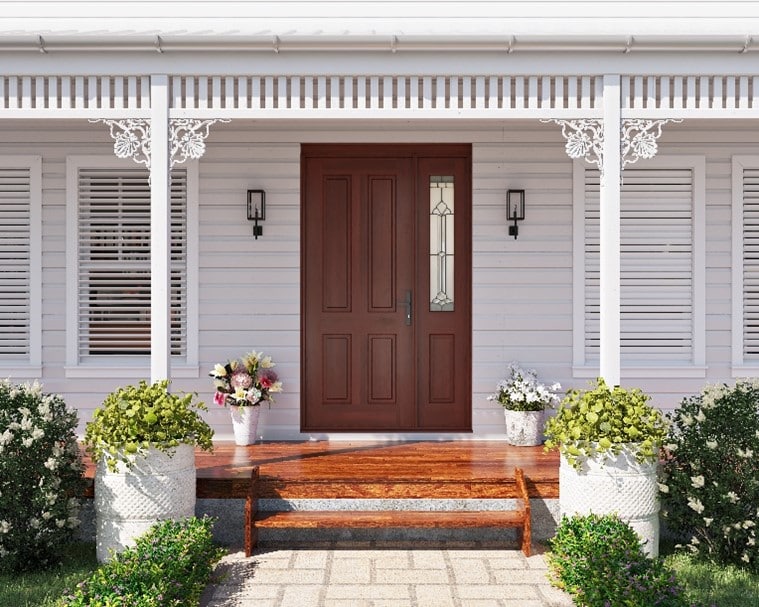
Think About Light, Access And Layout
Doors can change how a room works. French doors may create a wide opening onto a garden. Sliding doors can save space where a hinged door would be awkward. Bifold doors can open up a larger section of wall, which may suit kitchen and dining spaces.
Glass is an important part of the decision. More glazing can make rooms feel brighter, but privacy, orientation and heat gain should be considered. A door facing a public path may need obscure or decorative glass. A south-facing opening may need careful thought about glare and warmth in summer.
Threshold height should also be considered, especially for families, older occupants or anyone with mobility needs. A door that looks good but creates a daily trip hazard is not the right solution.
Measure And Specify Carefully
Doors must be measured accurately and specified clearly. Width, height, opening direction, threshold type, frame colour, glazing, hardware and security features all need to be confirmed before manufacture.
Installation quality is just as important as the product itself. A door that is not fitted squarely can stick, let in draughts or fail to lock smoothly. Proper fitting helps protect performance, security and appearance.
A well-chosen external door should improve the property practically and visually. By considering purpose, material, security, light and access before ordering, homeowners and trade professionals can select doors that work properly every day and suit the building for years to come.