

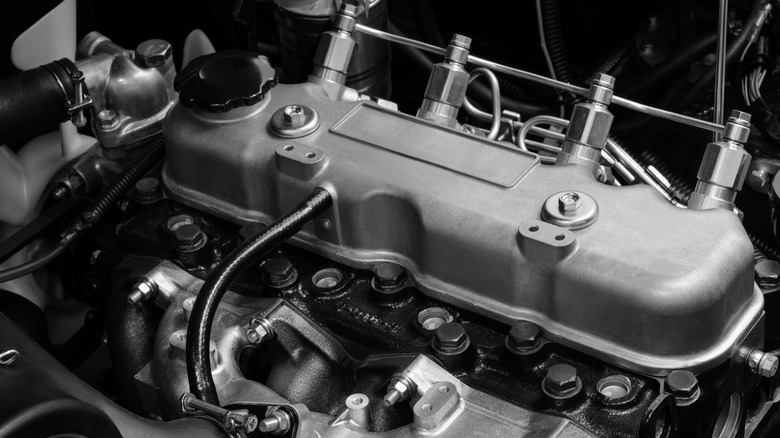
A vehicle is one of the most significant financial investments most people make. While body styles change and technology continuously evolves, the engine remains the heart of any automobile. A well-maintained engine can easily surpass two hundred thousand or even three hundred thousand miles without requiring a costly overhaul. Conversely, neglect, poor driving habits, and skipped maintenance can lead to premature mechanical failure long before the odometer reaches six figures.
Extending the lifespan of an internal combustion engine does not require specialized mechanical expertise. It depends on consistent preventive care, smart driving habits, and an understanding of how core automotive systems operate under thermal and mechanical stress.
Consistent Maintenance and Fluid Management
Engine oil is the lifeblood of any vehicle. Modern engines rely on oil not only to reduce friction between metal components like pistons, bearings, and camshafts, but also to cool internal parts, absorb harmful combustion bypass contaminants, and maintain hydraulic pressure for variable valve timing systems.
Routine Engine Oil and Filter Changes
-
Stick to Strict Intervals: Follow manufacturer recommendations for oil change intervals rather than relying on outdated rules of thumb. Synthetic oils typically allow extended intervals between seven thousand five hundred and ten thousand miles, while conventional oils require changes closer to three thousand to five thousand miles.
-
Always Replace the Oil Filter: Never reuse an old oil filter during an oil change. A saturated filter restricts oil flow or allows unfiltered bypass oil filled with abrasive particulates to circulate back through engine bearings.
-
Match the Specified Viscosity: Using the wrong oil viscosity can compromise engine lubrication during cold starts or high-temperature operating conditions. Always use the viscosity grade recommended in the vehicle owner manual.
Maintain the Cooling System
Heat is one of the primary enemies of internal engine components. An overheating event can warp aluminum cylinder heads, crack engine blocks, and blow head gaskets within minutes.
-
-
Flush Coolant Periodically: Antifreeze contains corrosion inhibitors that degrade over time. Flushing the radiator and cooling system according to service schedules prevents rust, scale, and internal mineral buildup.
-
Inspect Hoses and Seals: Rubber radiator hoses degrade from the inside out due to electro-chemical degradation. Regularly check hoses for swelling, softness, or hairline cracking.
-
Monitor the Thermostat: A stuck thermostat can cause rapid overheating or prevent the engine from reaching proper operating temperature, both of which accelerate mechanical wear.
-
Driving Habits That Protect Your Engine
How a vehicle is driven on a daily basis has a direct impact on the long-term durability of its internal engine components. Mechanical components experience the highest rate of wear during specific driving scenarios, such as cold starts and sudden stop-and-go acceleration.
Allow Proper Warm-Up Periods
-
Avoid Immediate Hard Acceleration: When an engine sits overnight, oil drains into the oil pan. Upon starting, it takes several seconds for oil pressure to build and distribute fully throughout the upper valve train.
-
Drive Gently at First: Modern fuel-injected engines do not require prolonged idling at a standstill to warm up. The most efficient way to warm up an engine is to drive gently for the first five to ten minutes until the temperature gauge reaches normal operating range.
-
Protect Turbochargers: If your vehicle is equipped with a turbocharged engine, avoid aggressive driving immediately before turning off the ignition. Allowing the engine to idle for thirty seconds to a minute after hard driving lets cooler oil circulate through the hot turbocharger center bearing, preventing oil coking.
Minimize Short Trips and Severe Driving Conditions
Short trips under five miles do not allow the engine to reach its full operating temperature. When an engine operates cold, fuel moisture and combustion vapor condense in the crankcase, mixing with oil to form damaging sludge.
-
Combine Errands: Group short errands into longer continuous drives so the engine stays hot long enough to burn off internal moisture and fuel vapors.
-
Avoid Excessive Idling: Extended idling causes incomplete fuel combustion, leading to carbon buildup on spark plugs, valves, and piston rings.
Air and Fuel Intake System Care
Clean air and clean fuel are crucial for complete, efficient combustion. Any foreign particulates entering the intake manifold act like sandpaper on cylinder walls and piston rings.
Inspect and Replace Air Filters
-
Check the Filter Element: A clogged air filter restricts airflow, forcing the engine to work harder and altering the air-fuel ratio. Replace the air filter every fifteen thousand to thirty thousand miles, or more frequently in dusty environments.
-
Ensure Proper Housing Seals: Make sure the air filter housing box is latched securely so unfiltered dirty air cannot bypass the filter media directly into the intake system.
Keep the Fuel System Clean
-
Use High-Quality Fuel: Top-tier gasoline contains detergent additives that prevent harmful carbon deposits from forming on fuel injectors and intake valves.
-
Replace Fuel Filters: For vehicles equipped with serviceable fuel filters, replacing them at recommended intervals prevents fuel pump strain and ensures steady fuel pressure under heavy load.
Replacing Wear Items Before Failure
Certain engine components are designed to wear out over time. Delaying the replacement of inexpensive wear items can result in catastrophic engine damage.
Timing Belt and Chain Maintenance
-
Adhere to Timing Belt Intervals: If your engine uses a rubber timing belt, replace it at the exact interval recommended by the manufacturer, typically between sixty thousand and one hundred thousand miles. On interference engines, a snapped belt allows valves to hit pistons, causing complete engine failure.
-
Keep Oil Clean for Timing Chains: Vehicles with metal timing chains rely on clean engine oil for chain tensioner pressure and guide lubrication. Regular oil changes prevent chain stretch and guide wear.
Spark Plug and Ignition System Service
-
Replace Plugs on Schedule: Worn spark plugs require higher electrical voltage to fire, putting extra stress on ignition coils and causing unburnt fuel misfires that damage catalytic converters.
-
Inspect Spark Plug Wires and Coils: Replace cracked boots or wires to maintain strong spark delivery and smooth engine operation.
Frequently Asked Questions
Does synthetic oil make an engine last significantly longer than conventional oil?
Yes, synthetic oil offers superior thermal stability, resists breakdown under high heat, flows more quickly during cold starts, and forms fewer sludge deposits compared to conventional mineral oil. This enhanced protection reduces wear on internal moving parts over hundreds of thousands of miles.
What is crankcase sludge and how does it form?
Crankcase sludge is a thick, tar-like substance created when engine oil oxidizes and mixes with trapped moisture, unburnt fuel, and combustion byproducts. It forms primarily from delayed oil changes, low-quality oil, and frequent short driving trips where the engine never reaches full operating temperature. Sludge blocks oil passages and starves critical components of lubrication.
Can using high-octane premium gasoline extend the life of an engine designed for regular gas?
No, using premium fuel in an engine calibrated for regular unleaded gasoline provides no added longevity or performance benefit. Octane ratings measure a fuel’s resistance to premature ignition under pressure, not its cleaning power or quality. Engine longevity depends on detergent levels in the gasoline rather than the octane rating itself.
How does driving with a bad engine mount affect engine longevity?
Faulty engine mounts allow excessive engine movement during acceleration and shifting. This physical movement places severe stress on exhaust flex pipes, wiring harnesses, coolant hoses, and transmission linkages, leading to secondary component failures and mechanical strain over time.
Why is it important to replace the engine serpentine belt periodically?
The serpentine belt drives vital engine accessories including the water pump, alternator, power steering pump, and air conditioning compressor. A snapped or slipping serpentine belt can stop coolant circulation immediately, leading to rapid engine overheating and loss of power steering and battery charging.
Does towing heavy loads shorten engine life?
Towing heavy loads increases engine operating temperatures, cylinder pressures, and mechanical strain on bearings and transmissions. While engines are engineered to tow within specified weight limits, frequent heavy towing requires shorter fluid change intervals and diligent cooling system maintenance to prevent premature mechanical wear.
What causes carbon buildup on intake valves in direct-injection engines?
In direct-injection engines, fuel is sprayed directly into the combustion chamber rather than over the intake valves. Because gasoline detergents do not wash over the intake valves to clean them, oil vapors from the crankcase ventilation system settle on the hot valve stems, forming hard carbon deposits that restrict air intake over time.