

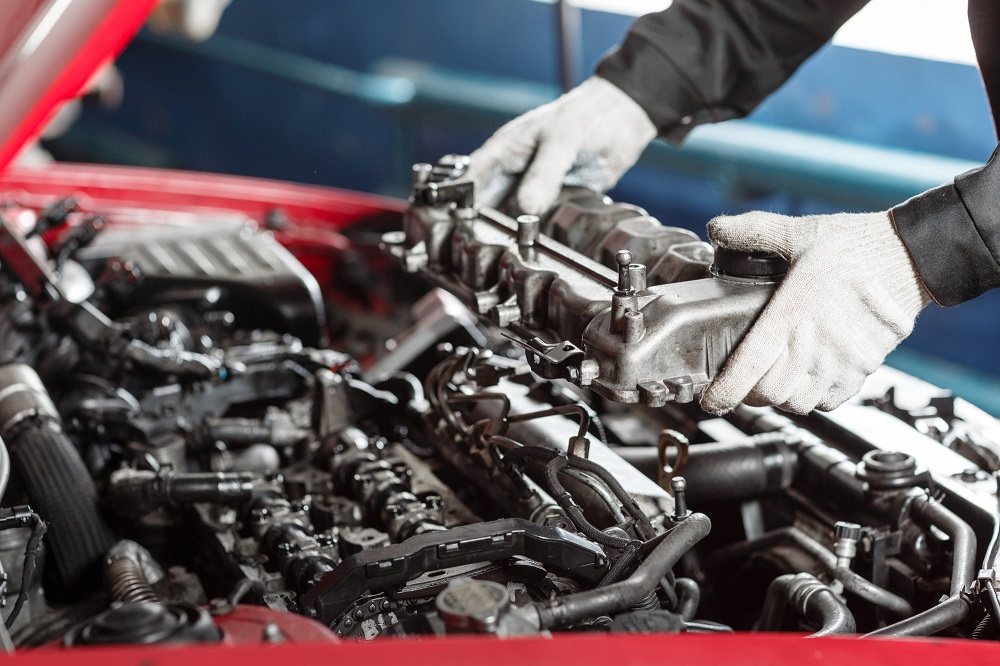
Automobile engines are intricate mechanical systems made of hundreds of moving parts working under extreme heat and pressure. While modern automotive engineering has made vehicles more reliable than ever, mechanical wear, poor maintenance, and component failure still occur. For most drivers, an unexpected noise, a dashboard warning light, or a drop in performance can cause immediate concern.
Understanding the basic mechanics of how engine issues manifest allows drivers to identify small flaws before they cascade into catastrophic mechanical breakdowns. Recognizing symptoms early saves thousands of dollars in major repair bills and prevents dangerous roadside breakdowns.
Understanding the Anatomy of Engine Failure
An internal combustion engine requires four basic elements to operate efficiently: air, fuel, spark, and compression. All four must occur in precise synchronization. When any component within these systems fails, the engine suffers from performance degradation, reduced fuel economy, or complete breakdown.
Most engine problems fall into clear categories: lubrication failure, cooling system breakdown, ignition misfires, air-fuel imbalance, and physical mechanical wear. Learning to spot the early warning signs in each category gives drivers the knowledge needed to communicate effectively with mechanics and make informed vehicle repair decisions.
Essential Engine Issues and Their Warning Signs
1. Engine Overheating
Engine overheating is one of the most immediate threats to internal engine components. Internal combustion engines generate immense thermal energy. The cooling system, comprised of the radiator, water pump, thermostat, coolant fluid, and cooling fans, regulates this thermal energy to keep the engine within an optimal operating temperature range of roughly 195 to 220 degrees Fahrenheit.
-
-
Primary Causes: Low coolant levels due to leaks in hoses or the radiator, a failing water pump that cannot circulate fluid, a stuck thermostat preventing coolant flow, or a broken radiator cooling fan.
-
Key Symptoms: The dashboard temperature gauge spikes into the red zone, a warning light illuminates, a sweet syrup-like smell emanates from under the hood, or steam billows out from the engine bay.
-
Potential Damage: Severe overheating warps aluminum cylinder heads, blows head gaskets, and can melt internal components, completely seizing the engine block.
-
2. Low Engine Oil and Poor Lubrication
Engine oil reduces friction between high-speed metal parts, such as pistons, crankshafts, and camshafts. It also helps cool internal components and removes metallic debris and sludgy buildup. Operating an engine with low or degraded oil causes rapid friction damage.
-
Primary Causes: External oil leaks from worn valve cover gaskets or oil pan seals, internal oil burning due to worn piston rings or valve seals, or failing to perform routine oil changes.
-
Key Symptoms: The oil pressure warning light on the dashboard turns on, a metallic ticking or tapping noise comes from the top of the engine, or a burning oil smell occurs while driving.
-
Potential Damage: Starving metal components of lubrication generates extreme heat and friction, leading to metal grinding, thrown connecting rods, and complete engine destruction within minutes.
3. Ignition System Misfires
An engine misfire occurs when one or more cylinders fail to complete the combustion process properly. Efficient combustion depends on a precise mix of air and fuel ignited by a high-voltage spark at an exact microsecond.
-
Primary Causes: Worn or fouled spark plugs, failed ignition coils, degraded spark plug wires, or clogged fuel injectors.
-
Key Symptoms: The vehicle shakes or stumbles while idling, hesitates during acceleration, experiences a noticeable drop in fuel economy, or triggers a flashing check engine light.
-
Potential Damage: Unburnt fuel passes directly through the exhaust valve into the catalytic converter. Over time, raw fuel ignites inside the catalytic converter, melting its internal ceramic structure and creating a costly exhaust blockage.
4. Failing Alternator and Electrical Malfunctions
While the battery starts the car, the alternator charges the battery and supplies electricity to all onboard electronics while the engine runs. Because the alternator relies on a belt driven by the crankshaft, its mechanical failure directly impacts engine operation.
-
Primary Causes: Normal mechanical wear on internal alternator bearings, worn carbon brushes, diode bridge failure, or a loose drive belt.
-
Key Symptoms: Dim or flickering headlights, slow power windows, a battery warning light on the dashboard, a high-pitched whining noise from the belt area, or a vehicle that dies while driving.
-
Potential Damage: A dead alternator starves the engine control unit and ignition coils of electric current, causing the engine to stall completely in traffic.
5. Oxygen Sensor Failure
Modern engines use oxygen sensors mounted in the exhaust manifold and pipes to measure unburnt oxygen levels leaving the cylinders. The engine control unit uses this data to constantly adjust the air-fuel ratio entering the engine.
-
Primary Causes: Contamination from oil ash, silicone exposure, carbon buildup over time, or general electrical degradation from extreme exhaust heat.
-
Key Symptoms: The check engine light illuminates, fuel economy decreases significantly by up to forty percent, and the engine exhibits rough idling or poor acceleration response.
-
Potential Damage: A faulty oxygen sensor sends incorrect data to the engine computer, causing it to inject too much fuel into the cylinders. This rich fuel mixture fouls spark plugs and damages the catalytic converter over prolonged driving.
6. Worn or Damaged Timing Belt and Chain
The timing belt or timing chain synchronizes the rotation of the crankshaft and the camshaft. This synchronization ensures that the engine intake and exhaust valves open and close at exact intervals relative to the position of the pistons.
-
Primary Causes: Rubber degradation on timing belts due to age and heat exposure, or stretched timing chains caused by extended oil change intervals and lack of lubrication.
-
Key Symptoms: High-pitched squealing noises, metallic rattling from the front engine cover, engine hesitation, or an engine that cranks rapidly without starting.
-
Potential Damage: In interference engine designs, a snapped timing belt or skipped timing chain causes the moving pistons to strike open valves at high speed. This results in bent valves, damaged cylinder heads, and punctured pistons requiring a full engine replacement.
7. Mass Air Flow Sensor Contamination
The mass air flow sensor measures the volume and density of air entering the engine intake system. The engine computer relies on this measurement to calculate the correct amount of fuel required for clean combustion.
-
Primary Causes: Dust, dirt, oil residue from aftermarket air filters, or debris bypassing a worn engine air filter element.
-
Key Symptoms: The engine stalls shortly after starting, experiences severe hesitations under heavy load, idles roughly, or triggers specific lean fuel condition error codes.
-
Potential Damage: A dirty sensor causes improper air-fuel mixture ratios, leading to lean burning conditions that raise internal cylinder combustion temperatures and damage exhaust components.
Preventive Maintenance Practices to Avoid Engine Failure
Preventing major engine problems requires consistent adherence to scheduled maintenance intervals outlined by vehicle manufacturers. Routine checks allow vehicle owners to spot minor leaks and component degradation before serious damage occurs.
-
Regular Oil and Filter Changes: Replace motor oil and oil filters according to vehicle specifications, typically every five thousand to ten thousand miles depending on synthetic oil usage.
-
Cooling System Flushes: Inspect coolant levels monthly and flush the cooling system every fifty thousand miles to prevent internal corrosion and radiator blockages.
-
Air Filter Replacement: Inspect the engine air filter during every oil service and replace it when dirt accumulates to ensure clean air intake flow.
-
Spark Plug Maintenance: Replace spark plugs based on manufacturer guidelines, usually between thirty thousand and one hundred thousand miles depending on whether copper, platinum, or iridium plugs are used.
-
Belt and Hose Inspections: Periodically inspect drive belts for cracks or fraying and check radiator hoses for soft spots, bulges, or hardening.
Frequently Asked Questions
Can driving with a illuminated check engine light cause permanent damage?
It depends on whether the light is steady or flashing. A steady check engine light indicates a stored diagnostic code for a non-critical system flaw, such as a loose gas cap or failing sensor, which should be inspected soon. A flashing check engine light indicates an active, severe engine misfire that allows raw fuel into the exhaust, which can melt the catalytic converter within minutes. If the light flashes, pull over safely and turn off the engine immediately.
How often should car owners check their engine oil level?
Engine oil levels should ideally be checked once every month or before taking long highway trips. Even modern vehicles in good mechanical condition can consume small amounts of oil between scheduled oil changes. Checking the dipstick when the vehicle is parked on level ground with a cool engine ensures the oil volume remains between the minimum and maximum indicator marks.
What causes an engine to knock or ping during acceleration?
Engine knocking occurs when the air-fuel mixture inside a cylinder ignites prematurely or unevenly, creating multiple flame fronts that collide violently. Common causes include using gas with an octane rating lower than recommended by the manufacturer, heavy carbon deposits inside the combustion chamber, faulty spark plugs, or an overheating engine. Persistent knocking can crack pistons and ruin engine bearings.
What is the primary difference between a timing belt and a timing chain?
A timing belt is made of reinforced rubber with notched teeth and runs on the outside of the engine, requiring routine replacement every sixty thousand to one hundred thousand miles. A timing chain is made of metal links, operates inside the engine lubricated by motor oil, and is designed to last the full lifespan of the vehicle if regular oil changes are performed consistently.
Why does a car engine shake violently while idling at a stoplight?
A violent shake or vibration at idle usually points to a misfiring cylinder, damaged engine mounts, or a vacuum leak. Damaged rubber engine mounts fail to isolate engine vibrations from the vehicle chassis, while vacuum leaks or failing spark plugs disrupt the smooth combustion stroke needed to keep the engine spinning steadily at low revolutions per minute.
Is it safe to add plain water to a cooling system during an emergency?
Adding plain water to an engine cooling system is acceptable strictly as an emergency measure to reach a repair facility if coolant has leaked out. However, plain water boils at a lower temperature, freezes in cold weather, and lacks the corrosion inhibitors present in proper antifreeze formulations. The system must be flushed and refilled with the correct coolant mixture as soon as possible.
How can a driver tell if an engine problem is caused by a bad battery or a bad alternator?
If the battery is bad, the car typically fails to start or cranks slowly, but once jump-started, the vehicle continues to run normally because the alternator supplies the electrical power. If the alternator is failing, the car may start with a jump, but the dashboard lights will dim, electronic systems will glitch, and the engine will stall shortly after the jumper cables are disconnected as the electrical system loses voltage.