


The appeal of hands-on bodywork has not faded despite the rise of wearable technology, digital wellbeing platforms, and automated recovery tools. People still seek physical connection as a way of recalibrating both body and attention. Visitors who book a Thai massage spa in Chiang Mai often describe a sense of grounding that feels difficult to replicate through self-guided methods or passive treatments.
Traditional massage engages the body as a complete system rather than isolating individual symptoms. Stretching, pressure, movement, and breath awareness interact simultaneously, encouraging circulation, mobility, and nervous regulation to unfold together. This integrated approach appeals to people who feel fragmented by modern routines that keep attention divided and posture restricted for long periods.
The experience also restores physical awareness. Many people spend most of their day disconnected from sensation, focused on screens or external demands. Manual bodywork draws attention back into movement patterns, tension habits, and breathing rhythm without requiring verbal analysis.
Physical Intelligence Over Passive Comfort
Traditional techniques encourage active participation rather than complete passivity. Assisted stretches, shifting positions, and guided movement gently reintroduce range and coordination. The body relearns how to occupy space more efficiently instead of remaining locked in habitual postures.
This dynamic engagement supports joint mobility and muscular balance without high impact or mechanical strain. Subtle adjustments accumulate into noticeable comfort improvements over time.
Rather than chasing immediate softness alone, the body integrates movement intelligence that carries into everyday behaviour.
Nervous System Regulation Through Touch
Touch communicates safety cues directly to the nervous system. Steady pressure, rhythmic movement, and predictable sequencing reduce baseline stress activation and support calmer breathing patterns.
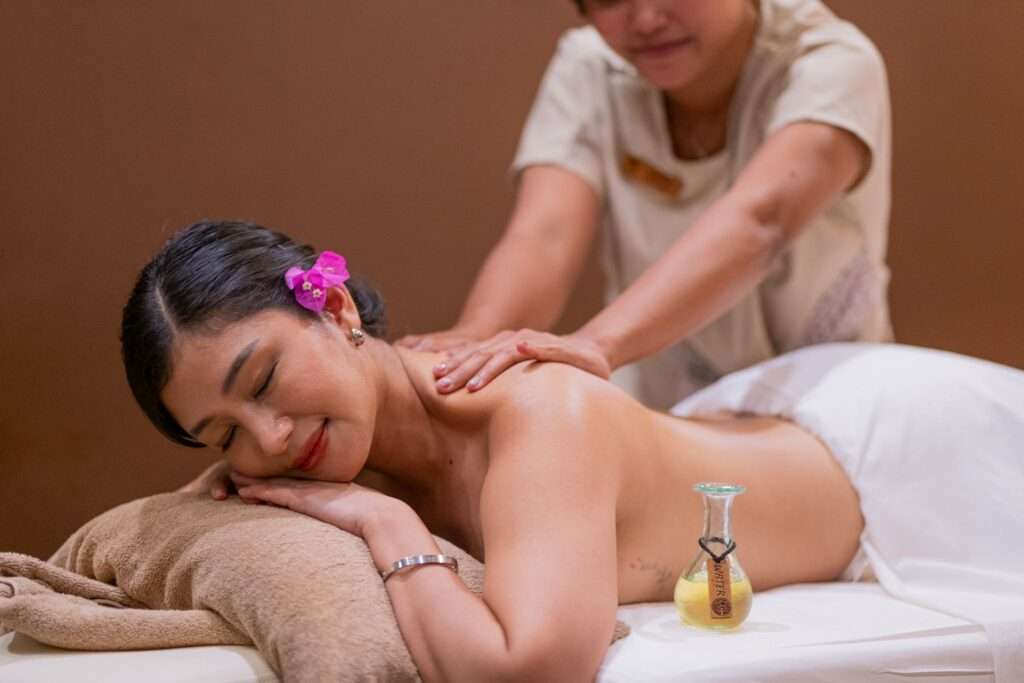
Many people notice mental quiet emerging gradually rather than abruptly. Thoughts slow, sensory awareness sharpens, and emotional tone stabilises without effortful concentration.
This regulation improves sleep quality and resilience under daily stressors.
Cultural Continuity and Human Connection
Traditional bodywork preserves cultural knowledge passed through generations. Techniques evolve slowly through observation and lived experience rather than formal standardisation alone.
Receiving treatment becomes a shared human exchange rather than a purely transactional service. Communication often occurs through gesture, pacing, and attentiveness rather than words.
This connection deepens trust and comfort naturally.
Accessibility Across Ages and Abilities
Because techniques scale in intensity and range, a wide demographic can participate safely. Older clients benefit from gentle mobility support, while active individuals address muscular fatigue and flexibility.
Adaptability keeps traditional practices relevant across changing lifestyle patterns.
Why Hands Still Matter
Technology offers valuable insight but cannot replicate tactile feedback, warmth, and responsive adjustment. The human nervous system evolved to interpret touch as reassurance and regulation.
That biological responsiveness remains unchanged despite modern convenience.
Traditional massage continues to resonate because it reconnects people with embodied awareness, movement intelligence, and calm that technology cannot substitute. When physical connection restores internal balance, wellbeing becomes experiential rather than conceptual, rooted in sensation rather than metrics.