

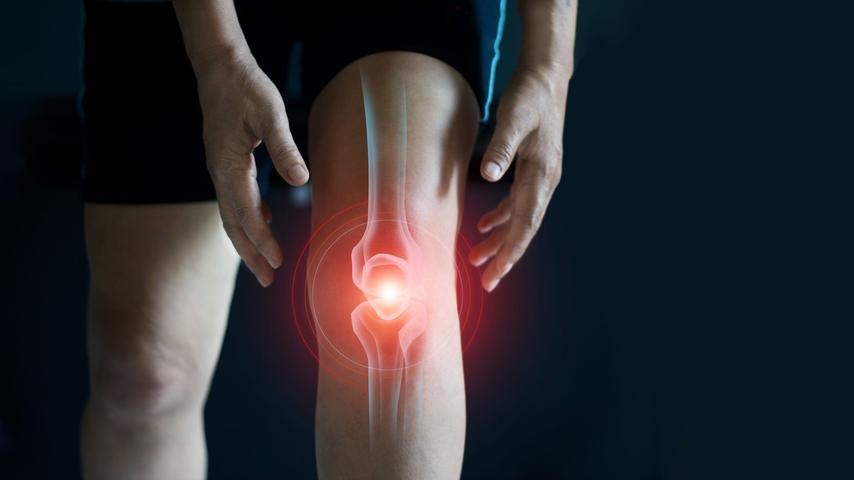
The human musculoskeletal system is an extraordinary framework engineered to provide structural support, shield vital organs, and facilitate fluid physical movement. At the core of this system are bones and joints. While people often take mobility for granted during youth, maintaining bone density and joint integrity is fundamental to long-term health, physical independence, and overall quality of life.
As time passes, natural physiological changes, lifestyle choices, and environmental factors influence the skeletal structure. Understanding how bones and joints function, recognizing early warning signs of degradation, and adopting proactive wellness habits can significantly lower the risk of chronic orthopedic conditions.
Understanding the Biology of Bones and Joints
Bones are dynamic, living tissues that undergo continuous remodeling. Throughout life, the body constantly removes old bone tissue in a process called resorption and replaces it with new bone material through formation. During childhood and adolescence, bone formation occurs faster than resorption, leading to peak bone mass around age thirty. After this point, the remodeling balance shifts slightly, making preventative maintenance essential.
Bones do more than provide structure. They store critical minerals like calcium and phosphorus, house bone marrow responsible for producing red and white blood cells, and release hormones that regulate metabolic functions.
Joints serve as the functional junctions where two or more bones meet. They are categorized based on their structural composition and degree of movement:
-
-
Synovial Joints: These highly mobile joints, such as the knees, hips, shoulders, and elbows, feature a fluid-filled cavity lined with a synovial membrane. Smooth articular cartilage coats the bone ends to absorb shock and reduce friction during movement.
-
Cartilaginous Joints: Connected entirely by cartilage, these joints offer limited movement but exceptional stability, such as the intervertebral discs along the spinal column.
-
Fibrous Joints: These immovable joints are bound tightly by tough fibrous connective tissue, such as the sutures joining the cranial bones of the skull.
-
Common Conditions Affecting Skeletal Integrity
When the delicate balance of bone remodeling or joint lubrication breaks down, several common orthopedic disorders can develop.
Osteoporosis
Osteoporosis is a systemic skeletal condition characterized by reduced bone mass and structural deterioration of bone tissue. This leads to bone fragility and an increased risk of fractures, particularly in the wrist, hip, and spine. Because bone loss occurs gradually without early physical symptoms, osteoporosis is often termed a silent disease until a sudden fall causes a fracture.
Osteoarthritis
Osteoarthritis is the most prevalent form of joint disease worldwide. Often referred to as wear-and-tear arthritis, it occurs when the protective articular cartilage cushioning the ends of bones gradually wears away. As cartilage degrades, bone rubs directly against bone, causing joint pain, stiffness, localized swelling, and loss of flexibility.
Rheumatoid Arthritis
Unlike osteoarthritis, rheumatoid arthritis is an autoimmune condition. The immune system mistakenly attacks the synovium, the lining of the membranes surrounding the joints. The resulting chronic inflammation thickens the synovium, which can eventually destroy cartilage and bone within the joint, causing physical deformity and functional impairment.
Tendonitis and Bursitis
These conditions involve inflammation of the soft tissues surrounding joints. Tendonitis affects the thick fibrous cords that attach muscle to bone, while bursitis involves inflammation of the bursae, small fluid-filled sacs that cushion friction points between bones, tendons, and muscles. Both conditions cause localized pain and restricted motion.
Essential Strategies for Preserving Bone and Joint Health
Maintaining strong bones and resilient joints requires an integrated approach that combines balanced nutrition, regular mechanical load, and healthy lifestyle choices.
Targeted Nutritional Support
Proper nutrition supplies the raw raw building blocks necessary for bone mineral density and joint tissue repair.
-
Calcium: As the primary structural mineral in bones, adequate daily calcium intake is critical. Rich dietary sources include dark leafy green vegetables, dairy products, fortified plant-based milk alternatives, tofu, and canned sardines with bones.
-
Vitamin D: Vitamin D is essential for intestinal calcium absorption. The body synthesizes vitamin D when skin is exposed to sunlight, but dietary sources like fatty fish, egg yolks, and fortified foods also contribute to daily requirements.
-
Magnesium and Vitamin K: Magnesium aids in converting vitamin D into its active form, while vitamin K activates proteins that bind calcium directly to the bone matrix rather than soft tissue.
-
Omega-3 Fatty Acids: Found in salmon, walnuts, and flaxseeds, omega-3 fatty acids help reduce systemic inflammation, supporting joint comfort and flexibility.
Strategic Physical Activity
Physical exercise provides the mechanical strain needed to stimulate bone formation and nourish joint cartilage.
-
Weight-Bearing Exercises: Activities where the body works against gravity, such as brisk walking, hiking, jogging, and climbing stairs, signal osteoblasts to build denser bone tissue.
-
Resistance Training: Lifting weights or using resistance bands strengthens the muscles surrounding joints, distributing mechanical stress more evenly and stabilizing joint movement.
-
Low-Impact Flexibility and Balance: Practices like swimming, cycling, yoga, and tai chi maintain joint range of motion, improve fluid circulation, and enhance proprioception to prevent balance-related falls.
Weight Management and Joint Alignment
Excess body weight places substantial mechanical stress on weight-bearing joints, particularly the knees, hips, and lower back. Every additional pound of body weight exerts roughly four pounds of added pressure across the knee joints during routine walking. Maintaining a healthy body composition preserves cartilage integrity and slows degenerative joint processes.
In addition, maintaining good ergonomic posture while sitting, standing, and lifting heavy objects prevents unnatural joint wear and protects spinal alignment.
Frequently Asked Questions
At what age should individuals begin actively focusing on bone density?
Bone density health should be a priority throughout life, starting in childhood and early adulthood when peak bone mass is established. Building strong bones before age thirty provides a larger reservoir of mineral density to draw from later in life. After age thirty, preventative measures focus on minimizing age-related bone loss and protecting joint mobility.
How does menopause directly impact bone health in women?
During menopause, estrogen levels drop significantly. Estrogen plays a crucial protective role in bone metabolism by inhibiting bone resorption. When estrogen levels decrease, bone tissue breaks down faster than new bone is created, leading to accelerated bone loss during the first five to ten years following menopause.
Is crackling or popping in the knees a sign of joint damage?
Joint popping or crackling, medically known as crepitus, is very common and usually harmless if unaccompanied by pain, swelling, or reduced mobility. It often results from gas bubbles escaping the synovial fluid or tendons shifting over bony prominences. However, if joint popping occurs with pain or stiffness, it may indicate underlying cartilage wear or joint inflammation.
Can running on hard pavement permanently ruin knee cartilage?
Running on hard surfaces increases impact forces, but research shows that recreational running does not inherently damage healthy knee cartilage or increase osteoarthritis risk in people without prior injuries. Proper footwear, good running mechanics, adequate rest, and incorporating low-impact cross-training help protect joints while running.
What is the difference between DEXA scans and standard X-rays for bone evaluation?
A standard X-ray detects fractures, joint space narrowing, and severe bone changes, but it cannot accurately measure early bone density loss. A Dual-Energy X-ray Absorptiometry (DEXA) scan is a specialized low-dose radiation imaging test designed specifically to measure bone mineral density at critical sites like the hip and spine, providing an precise diagnosis of osteopenia or osteoporosis.
Do joint supplements like glucosamine and chondroitin actually work?
Glucosamine and chondroitin are natural structural components of joint cartilage. Clinical study results regarding oral supplement effectiveness are mixed. While some individuals report mild relief from knee osteoarthritis pain, others experience minimal difference compared to placebos. Consult a physician before starting supplements to ensure safety and proper dosage.
How does chronic inflammation affect joint cartilage over time?
Systemic chronic inflammation exposes joint tissues to elevated levels of inflammatory cytokines. These chemical messengers disrupt the balance between cartilage breakdown and repair, accelerating the degradation of collagen fibers and proteoglycans within joint cartilage, which can speed up the onset and progression of joint stiffness and discomfort.